Linguistics for Social Justice & Positive Change Lab
The 'Linguistics for Social Justice and Positive Lab' is a research-driven initiative dedicated to addressing discrimination, empowering language preservation, and supporting anti-extremism, anti-racism, and anti-vilification efforts in the Northern Territory and beyond. The lab also focuses on countering threatening messaging and incitement to hatred and violence, alongside fostering empathy, compassion, and peacebuilding through the transformative power of language.
Serving as a model for linguistics-based social justice initiatives in similar regional and remote communities across Australia and the Asia Pacific Region, the lab aligns with UN Sustainable Development Goal 16 (UNSDG 16), which seeks to promote peace, justice, inclusive societies, and strong institutions, and UNSDG 10 (reduced inequalities). It also champions UNSDG 4 (inclusive and equitable quality education and lifelong learning opportunities for all). By bridging linguistics, social justice, human rights, and education, the lab generates actionable research that informs policy, enhances positive duty initiatives, and amplifies the voices of marginalised language communities while addressing critical issues in sociolinguistic research and education.
The Lab thematic initiatives, led by the Linguistics Team at Charles Darwin University, exemplify the university’s core values of courage, kindness, openness, innovation, and leadership. Through its dedicated focus on combating violence and discrimination and advancing social justice, the Lab contributes meaningfully to CDU’s goals—supporting regional development, deepening First Nations engagement, strengthening research capacity, and fostering inclusive practices across communities.
Vision:
To position Charles Darwin University as a leader in linguistics-driven social justice, countering violence and advancing peacebuilding and fostering empathic, compassionate, and inclusive communication. Through targeted initiatives that promote equity, advance positive discourse and counter violent extremism, discrimination, and hate speech, the lab aspires to serve as a model for regional and global communities.
Mission:
To leverage linguistics for advancing social equity through research and collaboration that address language-related social challenges—such as linguistic aggression and discrimination—preserve endangered languages, and promote inclusive communication practices in public and institutional settings. The lab is committed to fostering peacebuilding and social cohesion in the Northern Territory and beyond.
Organisational Structure of the Lab - Lab & Theme Leaders:
The organisational structure of the lab is designed to ensure a cohesive and collaborative approach to its mission. Below is the current structure, detailing key roles and teams that drive the lab’s initiatives and foster impactful partnerships (Note: advisory board, collaborators, research assistants, working groups, and steering committee are not publicly published yet).
Founder and Lab Leader
Awni Etaywe
Theme 1: Language Maintenance and Revitalisation
James Bednall
Theme 2: Linguistics for Social Cybersecurity & Countering Violent Extremism (CVE)
Awni Etaywe
Theme 3: Linguistics in Education and Social Justice: Equity, Inclusion, and Diversity
Andrew Pollard & Nicola Rolls
Theme 4: Positive Discourse and Creative Writing in Peacebuilding and Digital Activism
Dr Nicola Rolls (General Chair); Dr Andrew Pollard (Program Chair); Dr James Bednall (Local Chair); Dr Awni Etaywe (Practical Chair); Professor Raelke Grimmer (Marketing)
In addition to keynote presentations and academic papers, the conference features a series of special sessions, workshops, and colloquia aimed at fostering critical dialogue and practical engagement.
Selected Special Sessions and Colloquia:
- How to Analyse Language Used to Build Solidarity Around an Important Cause: Appraisal and bonding Facilitators: Shoshana Dreyfus and Awni Etaywe
- Celebrating First Nations Languages and Language Learning in Australian Schools: Stories Across Generations of Language Activism, Advocacy, and Allyship Co-chairs: Carly Steele, Robyn Ober, Rhonda Oliver Discussant: Rhonda Oliver
- Academic Publishing for PhD Students and Early Career Academics Facilitators: Solène Inceoglu and Elke Stracke
Annual Applied Linguistic Analysis for Interdisciplinary HDR Research Workshop(Theme Leader in Charge: Awni Etaywe): The Lab supportsthe Office of Research and Innovation (ORI) HDR Training Programme through organising this annual workshop, beginning in Semester 2, 2026. Designed for HDR candidates (PhD and Masters by Research) working in linguistics, education, language studies, academic writing, Arts, media and communication, and related interdisciplinary fields, the workshop addresses a gap in advanced methodological training. Through hands-on, stream-based sessions in corpus linguistics, sociolinguistics, genre analysis and educational language analysis, the workshop equips candidates with practical tools to analyse real-world language data relevant to their research. Through concurrent thematic streams model (e.g. Table below), this workshop also offers a space for peer learning and collaboration across disciplinary boundaries, and professional development opportunity embedded in students’ research trajectories.
Stream
Title
Description
Facilitator(s)
a
Sociolinguistics in practice
Introduces genre analysis
Raelke Grimmer
b
Corpus-based discourse analysis
Introduces corpus-driven approaches to text analysis
Awni Etaywe
Biennial Symposium on ‘Linguistics and Creative Writing for Positive Change: Social Justice, Activism, Equity, Inclusion, and Diversity’
Biennial Community Forum (e.g. contributions to the Top End Languages Forum and other events focused on language revitalisation, maintenance, and continuity)
Cultural and Linguistic Celebrations (e.g. International Day for Countering Hate Speech, International Human Rights Day (10 December, and International Mother Language Day)
Theme Leadersin Charge: Yasunori & Nicola Rolls
From 'Top End Languages Forum'
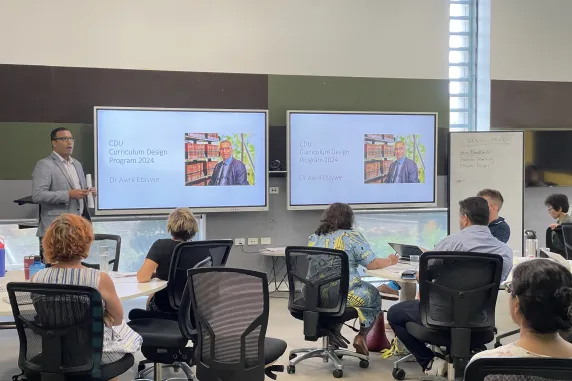
Invited speaker at CDP
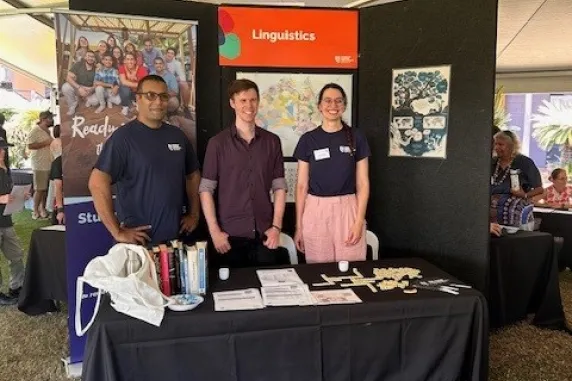
Linguistics Team Reps on Open Day
Lab Impact: A Case in Point
To explore the real-world impact of the Lab’s research, consider the Lab Leader’s contribution as a compelling example—demonstrating social, technological, and cultural impact:
Corpus Linguistic and AI-Enhanced Threat Detection (2022–2024)
This project developed advanced methods to detect warning signs in extremist texts, such as language that justifies violence or targets specific identities. Using tools like LIWC, ChatGPT, and AntConc, the research also profiled extremist authors’ writing styles and motivations. These insights support early threat detection and profiling for law enforcement and national security agencies.
Countering Violent Extremism (CVE) – From Discourse to Violence (2025–2026)
Currently in progress, this project analyses over 2 million words of extremist content using AI, psychological frameworks and discourse analysis. It investigates how radicalisation occurs—often fueled by disinformation, conspiracy theories, social polarisation, and emotional manipulation—and how language is used to recruit and mobilise individuals. Findings are being shared with the Department of Home Affairs to inform counter-extremism policy and practitioner training. The project is recognised by the AVERT Research Network as a key contributor to national CVE efforts.
Combatting Hate Speech and Promoting Social Cohesion (2024)
This project examined the mechanics of hate speech, including moral disengagement and identity-based incitement. Dr Etaywe’s article in Australian Quarterly gained national attention and contributed to public debate on proposed hate speech legislation. He also edited a journal issue on positive discourse, which influenced the design of Confinity, a new social media platform focused on empathy and emotional well-being. The platform’s founder publicly credited Dr Etaywe’s research for shaping its core values.
Example of real-world benefit/change the research is creating
Educator & Practitioner Training:
Frontline professionals are being equipped with AI-driven tools to identify dangerous speech and extremism linked to disinformation, polarisation, and grievance narratives. This supports the Australian Government’s Preventing and Countering Violent Extremism (P/CVE) priorities, as outlined in a Commonwealth contract, by providing both practical resources and deeper conceptual understanding for day-to-day operations.
Social media platform design, ethics, and their messaging:
Confinity Inc., USA, CEO and Founder’s testimonial (summarised for purposes of this case) highlights just some of the benefits:
“Dr Awni Etaywe’s research has had a foundational impact on Confinity—shaping both our values and our practical development as a socially responsible technology company."
"Awni’s insights directly informed our internal guidelines, especially around messaging, values, and ethical communication. His recommendations weren’t just reviewed—they were implemented. We built our internal messaging guide around his findings, and our team continues to use it daily. His research has shaped how we write, how we onboard users, and how we communicate with emotional sensitivity—particularly when engaging with vulnerable communities."
"His influence goes beyond strategy documents. It’s embedded in our design thinking, our writing style, and our community engagement. I’ve personally drawn on his work to guide decisions about brand direction, product messaging, and ethical standards—especially when navigating sensitive or emotionally charged content."
"Awni’s research is cited in our core values and policy frameworks—not as decoration, but because it gave us the language and clarity to articulate principles we already believed in. In a digital landscape dominated by noise and outrage, he helped us define a path of intentional calm—building something rooted in dignity, memory, and connection."
Associated research and activities that support change/benefit
Multiple peer-reviewed publications in top journals including Discourse & Society, Language in Society, and Journal of Language Aggression and Conflict.
Featured in a Radio New Zealand interview (Aug 2023) on how hate speech escalates into violence, and New Zealand's Line of Defence Magazine.
Featured on front cover and promoted by Australian Quarterly across media platforms using hashtags like #SocialCohesion, #HateSpeech, and #USElection.
Endorsed by Universities Australia and cited across global security and policy platforms.
Looking ahead: Advancing the application of this research through key initiatives
Government and Industry Collaboration: Partnering with government agencies and technology companies to co-develop AI-powered early warning systems for detecting online radicalisation and violent extremist-specific threats.
Training and Capacity Building: Expanding training programs for educators, forensic linguists, journalists, and policymakers to help frontline professionals identify and respond to dangerous speech and disinformation using discourse-informed strategies.
Ethical Digital Design: Embedding principles of positive discourse—centred on compassion, empathy, and solidarity—into the design and governance of social media platforms and digital communication systems.
These initiatives aim to translate research into actionable solutions that support Australia’s national security priorities, strengthen democratic resilience, and promote safer, more inclusive digital environments.
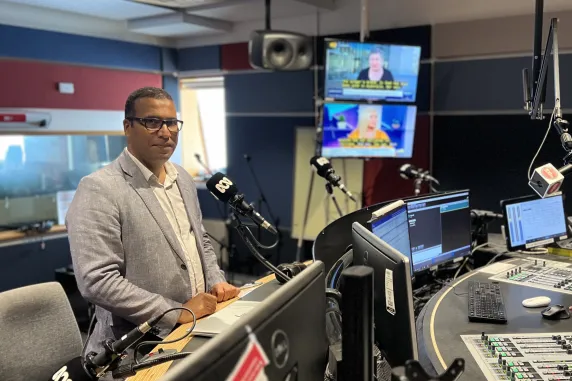
ABC Live Interview: Showcase of forensic linguistics in tackling violent extremism
Call for Collaborators and Funders
We invite researchers, community partners, policy-makers, and funding bodies to collaborate with us in sustaining and expanding the work of the Linguistics for Social Equity and Justice Lab at Charles Darwin University.
If you are interested in partnering with us or funding our work, please reach out directly to: Dr Awni Etaywe, Lab Leader | Linguistics for Social Justice and Positive Change | awni.etaywe@cdu.edu.au