A farewell to migrating shorebirds and their champion
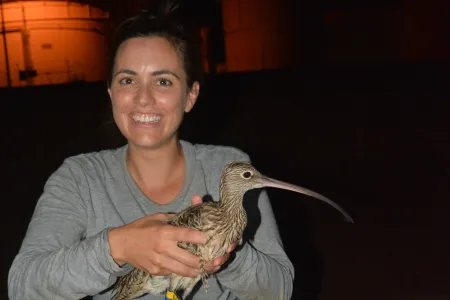
It’s the time of year when thousands of migratory shorebirds take off from Top End coasts and fly north – some as far as the Arctic Circle.
They will return around October, but one of their strongest advocates, Dr Amanda Lilleyman, is also leaving Darwin.
A research associate in the Threatened Species Recovery Hub at Charles Darwin University for the past four years, Dr Lilleyman has made her mark in the Top End through her research into shorebirds, particularly the critically endangered Far Eastern Curlew.
“It’s a species that has experienced a steep population decline and faces persistent threats throughout its migratory lifecycle,” Dr Lilleyman said.
“On the breeding grounds in northern China and southern Siberia, curlews are threatened by hunting, alteration of wetland or grassland habitats, increased fire, and the effects of climate change.
“During migration through eastern Asia, they are threatened by the loss of intertidal habitat through coastal development, hunting and accidental bycatch.
“On the non-breeding grounds in Australia, in places like Lee Point, their threats are not only loss of habitat to coastal development, but disturbances by people on beaches and coastlines.
“Disturbances can cause the birds to take flight and waste vital energy reserves when they should be resting.”
Dr Lilleyman’s final public event in Darwin was a “Farewell to Shorebirds” at Lee Point where awareness was raised of the need for an environmental plan to protect its flora and fauna.
“Lee Point is one of my favourite places in Darwin because of the birds, when at certain times of the year you can watch up to ten thousand birds on the beach,” Dr Lilleyman said.
As Chair of Birdlife Top End, she has been a popular talkback guest on ABC Radio Darwin’s “Bird Banter” with Adam Steer.
Dr Lilleyman will soon take up a new position in Broome where she will work with Yawuru Country Managers to implement land and sea management activities from their Indigenous Protected Area Management Plan.
In her “spare” time she hopes to continue research collaborations at CDU as an adjunct researcher – next time looking into grassland migratory shorebirds.
“These birds also undertake epic migrations but much less is known about them because of how dispersed they are across northern Australia,” Dr Lilleyman said.
Related Articles
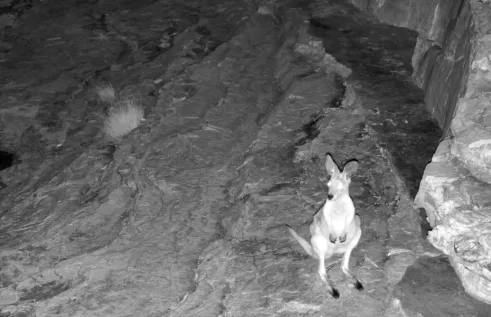
New livestream brings remote Australian arid zone waterhole to the world
A new livestream from a remote waterhole in the Northern Territory is giving people around the world the opportunity to observe wildlife in real time.
Read more about New livestream brings remote Australian arid zone waterhole to the world
Leading scientist recognised for lifetime of dedication to Australian biodiversity and conservation
One of the nation’s most distinguished experts in Australian biodiversity and conservation will be celebrated in an upcoming Charles Darwin University graduation ceremony.
Read more about Leading scientist recognised for lifetime of dedication to Australian biodiversity and conservation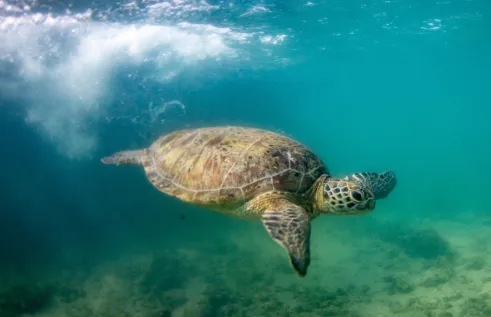
First Nations ranger knowledge reveals the threats facing NT’s green turtles
First Nations ranger groups working in protected areas such as national or marine parks identified illegal commercial fishing as a major concern for the Northern Territory’s green turtle populations, a study led by Charles Darwin University (CDU) and James Cook University (JCU) has found.
Read more about First Nations ranger knowledge reveals the threats facing NT’s green turtles


