NEWS ARTICLE
Home science kits to help Top Enders grow knowledge
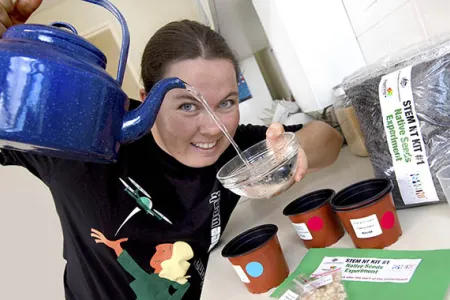
Families can learn the science behind native seeds and how they survive and thrive in the Top End’s dry season fires thanks to science kits available through a partnership between Inspired NT and Charles Darwin University.
CDU Science Outreach Manager Dr Carla Eisemberg said the first STEM (Science, Technology, Engineering and Mathematics) kit would be launched as part of the Sea Breeze Festival this weekend.
She said CDU’s Science Outreach programs had been altered to suit the current circumstances caused by COVID-19 and the kits were designed to provide fascinating and inspiring material for Territory families to learn from the comfort of their homes.
“The first of our Inspired home kits is called ‘Native Seeds Experiment’ and was created by Bachelor of Science (Ecology) Honours student Anna Lemon,” Dr Eisemberg said.
Anna, who has been interested in native plants from a young age and hopes to become a Top End botanist, said the kit provided all the information for people to conduct their own experiment at home.
“In this experiment people can learn about the different mechanisms that seeds have, to help them survive the fires in the Top End savannas,” Anna said.
“We will observe the effects of heat on seed germination by pouring boiling water on the seeds before planting them.”
She said the effect of heat would differ between species.
“To examine this difference, we will use seeds from two species, the Swamp Wattle and Native Lemon Grass,” she said.
“Participants will be able to share any questions and their results on our Facebook Page.”
Dr Eisemberg said those interested in getting their hands on an Inspired home kit could enter the Seabreeze Festival competition for their chance to win one, or request a kit via the Facebook page NTSeedsExperiment.
Related Articles
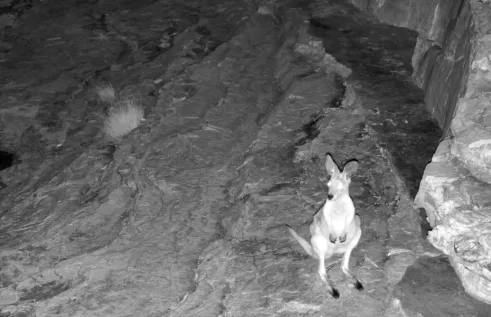
New livestream brings remote Australian arid zone waterhole to the world
A new livestream from a remote waterhole in the Northern Territory is giving people around the world the opportunity to observe wildlife in real time.
Read more about New livestream brings remote Australian arid zone waterhole to the world
Leading scientist recognised for lifetime of dedication to Australian biodiversity and conservation
One of the nation’s most distinguished experts in Australian biodiversity and conservation will be celebrated in an upcoming Charles Darwin University graduation ceremony.
Read more about Leading scientist recognised for lifetime of dedication to Australian biodiversity and conservation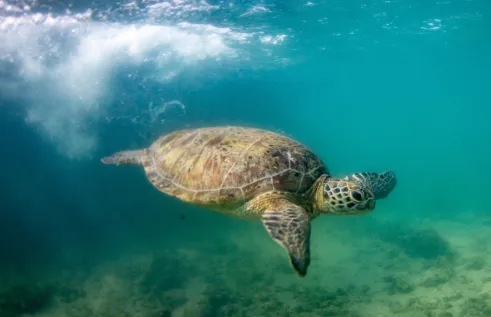
First Nations ranger knowledge reveals the threats facing NT’s green turtles
First Nations ranger groups working in protected areas such as national or marine parks identified illegal commercial fishing as a major concern for the Northern Territory’s green turtle populations, a study led by Charles Darwin University (CDU) and James Cook University (JCU) has found.
Read more about First Nations ranger knowledge reveals the threats facing NT’s green turtles


