News
Study highlights high rates of malnutrition in remote hospital setting
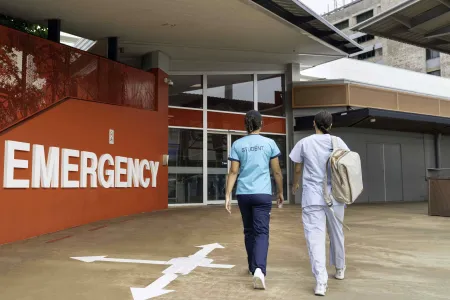
For the first time, insights from a comprehensive 10-year study highlight the high prevalence of malnutrition among adult patients in remote Australian hospitals.
The study, based on a cross-sectional dataset of 980 patients, found that more than half of the patients screened were at risk of malnutrition.
The authors of the study said malnutrition was well-known to increase hospital stays and healthcare costs as the interplay between malnutrition and chronic disease in adults was complex.
The study was co-authored and led by Charles Darwin University (CDU) Senior Lecturer Nutrition and Dietetics Rachael Smalley and CDU Dean of Nursing and Midwifery Professor Natasha Franklin, with support from dietitians that worked at the remote hospital during the study.
Ms Smalley said the study confirmed that the Adult Nutrition Tool and the Malnutrition Screening Tool were valid tools to predict malnutrition in a unique remote hospital to help early detection of malnutrition.
“The study also highlights the impact of malnutrition which is a significant and persistent health issue in remote hospitals and also across Australian hospitals,” Ms Smalley said.
Professor Franklin said there were a multitude of factors that often were associated with living in remote areas that could further increase the risks of health disadvantages.
“Factors such as food insecurity, socioeconomic disadvantage, geographic isolation, limited access to healthcare services and high burden of chronic disease,” she said.
“This study identified that malnutrition is a significant problem in patients in Central Australia.
“The study highlights the need for earlier intervention and detection when managing patients who are malnourished or at risk of malnutrition, and that a multidisciplinary approach including community and hospital coordinated care is critical for patients' long-term nutrition care.”
Aligned with the United Nations Sustainable Development Goals
Zero hunger
Goal 2
End hunger, achieve food security and improved nutrition and promote sustainable agriculture.
Good health and well-being
Goal 3
Ensure healthy lives and promote well-being for all at all ages.
Reduced inequalities
Goal 10
Reduce inequality within and among countries.
Related Articles

From uncertainty to confidence: how one Sparky's journey ignited
One of this year’s finalist for the Northern Territory Training Awards dropped out early in his first attempt at vocational education, but he soon found the spark that ignited his educational journey.
Read more about From uncertainty to confidence: how one Sparky's journey ignited
New barbering course offers second chances through practical skills
A new barbering course at the Alice Springs Correctional Facility is giving students in custody the opportunity to build practical skills, confidence and potential pathways into employment.
Read more about New barbering course offers second chances through practical skills
CDU graduate turns family passion into international career
When Charles Darwin University graduand Thai Son Nguyen crosses the stage at this week’s Alice Springs graduation ceremony, he will celebrate more than a qualification.
Read more about CDU graduate turns family passion into international career


