News
Australian native rice is one step closer to appearing on restaurant menus
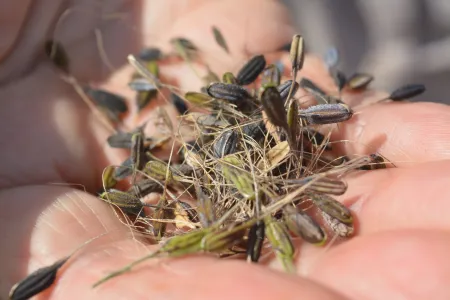
Putting Australian native rice on our plates and in restaurants is one step closer after a successful harvest of three species sourced from Northern Australian wetlands.
Charles Darwin University (CDU) researchers have been collecting rice from Wulna-Limilngan country on the Adelaide River and cultivating it in trials in the University’s Casuarina campus nurseries.
This year the team has cultivated it in demonstration plantings at Northern Territory Government’s Coastal Plains Research Farm.
Wild harvesting of native rice traditionally starts at the end of the wet season and runs to May.
But CDU's Doctor Penny Wurm, from the Research Institute for Environment and Livelihoods (RIEL) said this year it was proving difficult to collect rice because of conditions and machinery breakdown.
“This is why it’s so important to develop agronomic knowledge to cultivate it successfully, and why this harvest is such a major milestone,” Dr Wurm said.
“It’s just not viable to rely on collecting native rice for commercial purposes from the field.”
Cultivation research on the native rice species in various conditions in continuing.
CDU's Dr Sean Bellairs, from RIEL, said that there are many issues that need research to support commercial development.
“We have developed solutions to germinating the seeds, but are continuing to develop threshing equipment, determining biological control practices for pests, and investigating it’s basic agronomy, such as planting density, fertiliser application rates and harvesting techniques.”
Minister for Agribusiness and Fisheries, Paul Kirby said this new research was encouraging news for Territory growers.
“Our Plant Industries are valued at over $445 million to the economy each year and we know the Territory is one of the best places in the world for the production of agricultural commodities, with Native Rice now showing some real potential,” Minister Kirby said.
“We will continue to back in our research and programs that aim to adopt new technologies to grow our agriculture sector.”
Dr Wurm said there were a lot of seed out there this year.
“It was the same as last year. The right amount and timing of rain to keep the ground flooded or moist while having plenty of sunlight,” Dr Wurm said.
Dr Wurm and Dr Sean Bellairs lead a project team looking into the agronomy, nutrition, value addition, supply chains and markets for the rice.
Along with CDU, the project is supported by the NT Department of Industry Tourism, Queensland University of Technology, and Trade and the Future Food Systems Corporative Research Centre, and commercial entities.
Related Articles
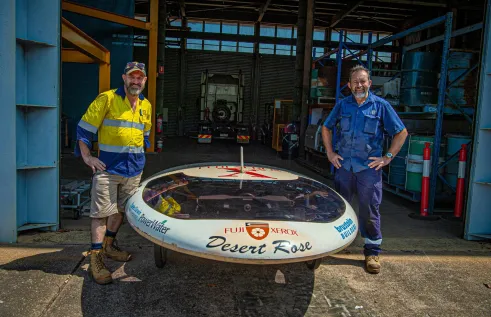
'Desert Rose' to be preserved
The legacy of a world record-breaking solar car, developed by and raced by Charles Darwin University students and staff, will be preserved and celebrated in the Northern Territory’s premier museum.
Read more about 'Desert Rose' to be preserved
Federal funding for Country-based health and climate resilience
A new research collaboration to support and strengthen Country-based health and climate resilience has received funding through the National Health and Medical Research Council’s Centres of Research Excellence scheme.
Read more about Federal funding for Country-based health and climate resilience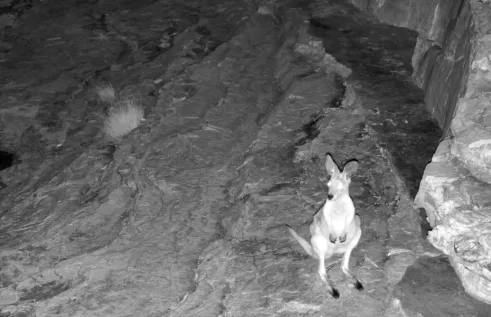
New livestream brings remote Australian arid zone waterhole to the world
A new livestream from a remote waterhole in the Northern Territory is giving people around the world the opportunity to observe wildlife in real time.
Read more about New livestream brings remote Australian arid zone waterhole to the world


