News
CDU appoints Associate Vice-Chancellor for Katherine and Big Rivers region
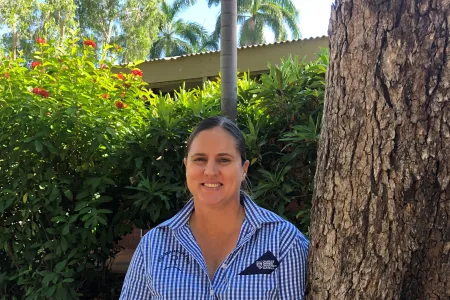
Katherine local Alison Haines has been appointed as Associate Vice-Chancellor for Katherine and Big Rivers region, as part of a newly created role for Charles Darwin University (CDU).
This appointment is the second inaugural appointment for the University within the regions in just over a month and demonstrates CDU’s commitment to reinvigorate the regions by establishing a local workforce within the Northern Territory.
Mrs Haines grew up on Argadargada Station in the Northern Territory on the Sandover Highway between Mount Isa and Alice Springs. She has worked as a CDU VET trainer both remotely and in Katherine and has now been based at the Katherine campus since 2014.
CDU Vice-Chancellor Scott Bowman said the appointment was a new role for the Katherine region and said he was confident that having local leadership will ensure growth in the region.
“Mrs Haines is respected in the community, and I am confident that she will provide incredible leadership for the region,” Professor Bowman said.
“Katherine is a becoming a powerhouse of the Northern Territory and CDU is going to be with it all the way to ensure it meets its full potential.”
Professor Bowman said CDU will expand its delivery in Katherine to include an agricultural business degree, outdoor education, cookery, hospitality and trades.
Mrs Haines said that expanding Katherine’s course delivery is based on the needs of the community and industry, which would help revitalise the Katherine Campus and be an economic boost to the region.
“We have been working hard at building a strong team in Katherine and upskilling our staff to help provide for the needs of this region,” Mrs Haines said.
“Research is another opportunity to help reinvigorate contribution in the Big Rivers region, we live in such a diverse location and the best way to help strengthen the region will be through expanding CDU’s research, partnerships and collaboration.”
“We have an obligation to the local community and region and I will continue to work closely with them to ensure we are filling the gaps between education, training and creation of a skilled workforce.”
Related Articles
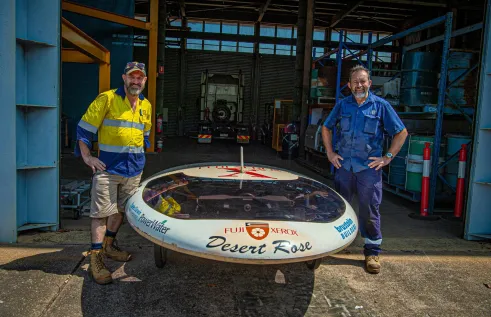
'Desert Rose' to be preserved
The legacy of a world record-breaking solar car, developed by and raced by Charles Darwin University students and staff, will be preserved and celebrated in the Northern Territory’s premier museum.
Read more about 'Desert Rose' to be preserved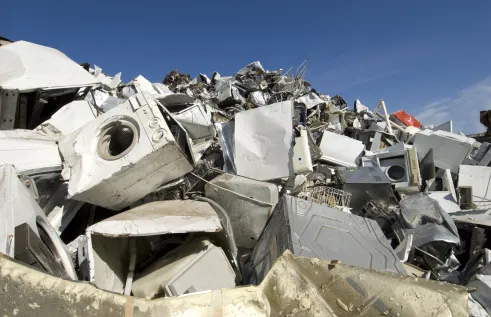
Africans reuse, repair, recycle and resell waste: what’s needed to build on the circular economy basics
Africa’s circular economy is already at work in repair shops and scrap yards. Backing the people who keep goods in use could cut waste and create better jobs.
Read more about Africans reuse, repair, recycle and resell waste: what’s needed to build on the circular economy basics
Hamlet gets a contemporary twist in Darwin
Shakespeare’s most famous tragedy will be brought into the modern world in a bold new production of Hamlet at Charles Darwin University Theatre this month.
Read more about Hamlet gets a contemporary twist in Darwin


