News
CDU staff vote yes to new Enterprise Bargaining Agreement
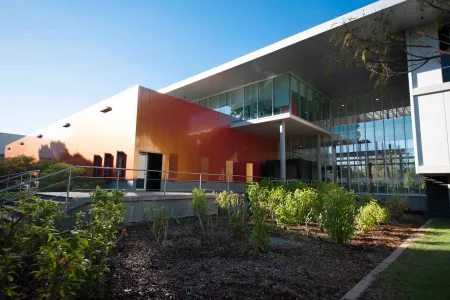
Academic and professional staff at Charles Darwin University (CDU) have voted to accept a new Enterprise Bargaining Agreement that outlines the terms and conditions of employment at the University after a vote was held this week.
The new Agreement which will deliver pay rises, a sign-on payment, additional leave, new leave and increased flexibility, received a 62 per cent “YES” vote with 1065 staff participating in the vote, representing 59 per cent of the staff eligible to vote.
CDU Vice-Chancellor Professor Scott Bowman said he was pleased the Agreement has been accepted by staff and wanted to thank those who have been involved throughout the process.
“Thank you to everyone who voted. I am pleased to report that we have a majority yes vote to accept the new Enterprise Agreement,” Professor Bowman said.
“I want to thank the unions who negotiated a very good outcome for their members.
“I also wanted to thank the CDU Bargaining team for their commitment to negotiating an Agreement that works for all of CDU.”
The new Agreement will look to provide CDU’s staff with a four per cent pay rise with a further two per cent in October 2023 and two per cent in October 2024.
As a result of the yes vote, staff will receive a $500 sign-on payment for full-time staff (pro rata for part time staff), and $200 for casual staff.
“From today, CDU’s payroll team will be working to include both the sign-on payment and four per cent salary increase in staff’s pay before Christmas,” he said.
The Agreement also offers staff increased flexibility through the introduction of working from home (up to 20 per cent of work profile) and increases to other leave types.
Enterprise bargaining for a new CDU Enterprise Agreement commenced in 2021. The Agreement will be sent to Fair Work Australia to formally approve the conditions and benefits.
Related Articles
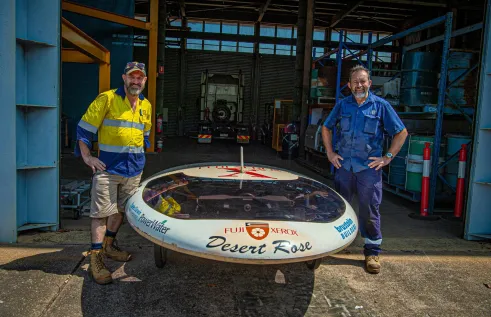
'Desert Rose' to be preserved
The legacy of a world record-breaking solar car, developed by and raced by Charles Darwin University students and staff, will be preserved and celebrated in the Northern Territory’s premier museum.
Read more about 'Desert Rose' to be preserved
Africans reuse, repair, recycle and resell waste: what’s needed to build on the circular economy basics
Africa’s circular economy is already at work in repair shops and scrap yards. Backing the people who keep goods in use could cut waste and create better jobs.
Read more about Africans reuse, repair, recycle and resell waste: what’s needed to build on the circular economy basics
Hamlet gets a contemporary twist in Darwin
Shakespeare’s most famous tragedy will be brought into the modern world in a bold new production of Hamlet at Charles Darwin University Theatre this month.
Read more about Hamlet gets a contemporary twist in Darwin


