News article
Call for Indigenous knowledge in teacher training
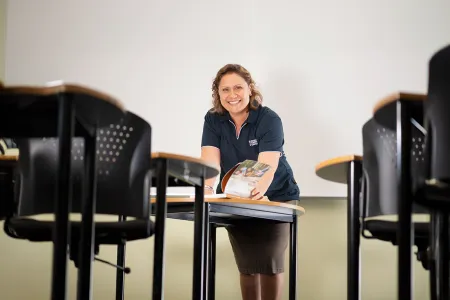
A Charles Darwin University (CDU) PhD candidate has identified the need for teachers to receive specific pre-service training in Indigenous knowledge.
Lecturer in Indigenous Knowledges at CDU’s College of Indigenous Futures, Arts and Society, Dr Tracy Woodroffe said many new teachers did not know enough about Indigenous people and their culture.
“This goes back to what kids learn at school. The current curriculum doesn’t do a good job of building students’ knowledge about Indigenous history and a worse job at teaching Indigenous culture,” she said.
Dr Woodroffe’s research explored the importance of pre-service Indigenous cultural teacher education in the urban context by talking to both new and more experienced teachers.
“Thirty per cent of the Territory’s population is Indigenous, which means a large proportion of students have a different knowledge system. But our education system largely teaches these students the same way as students in suburban Sydney or Melbourne,” she said.
“Indigenous people are more communal and value connections and relationships with people they see every day. Knowledge is shared through these connections and if these don’t exist in a student – teacher relationship, then academic outcomes will be effected.”
With a large number of teachers coming from interstate each year to start their careers, the problem becomes even more acute.
“My research showed that those teaching Indigenous learners really need to know about the different ways of seeing things, and viewing the world, that Indigenous people have,” Dr Woodroffe said.
“Teachers turn up in the Territory quite often with little or no experience in working with Indigenous people. The school system has equipped them with scant knowledge about a significant cultural group that they will be teaching, and their teacher training hasn’t given them any more either.”
As part of her research, Dr Woodroffe has identified measures that would help teachers become more effective in raising the academic outcomes of Indigenous students.
“Turning this around starts with teacher training and flows into schools,” she said.
Before joining CDU, Dr Woodroffe had an extensive teaching background in the Territory, including working in behaviour management roles for the Department of Education.
“I was constantly wondering why many mainstream classroom teachers couldn’t effectively teach Indigenous students,” she said.
“This lead me into my research project, because we need to know where the faults are in the system and how they can be fixed.”
Dr Woodroffe will receive her PhD at a CDU graduation ceremony on 18 October.
Related Articles
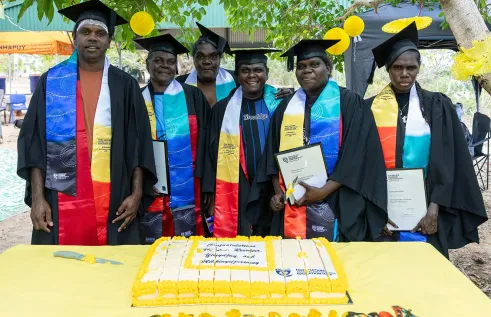
First Nations Training and Teacher Education Hub celebrates first major milestone
As Charles Darwin University's (CDU) First Nations Training and Teacher Education Hub draws closer to the end of its first year, one of its greatest milestones to date was conferring its first six graduates.
Read more about First Nations Training and Teacher Education Hub celebrates first major milestone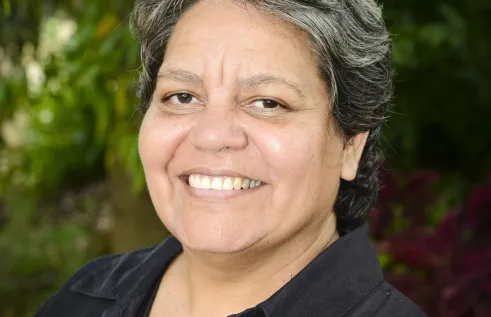
Federal funding for Country-based health and climate resilience
A new research collaboration to support and strengthen Country-based health and climate resilience has received funding through the National Health and Medical Research Council’s Centres of Research Excellence scheme.
Read more about Federal funding for Country-based health and climate resilience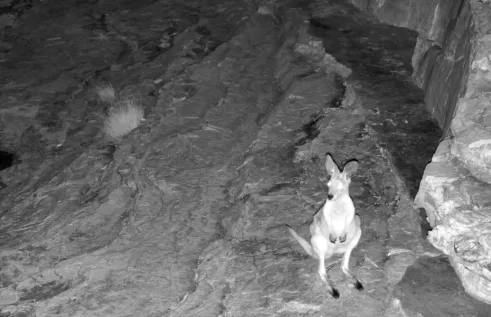
New livestream brings remote Australian arid zone waterhole to the world
A new livestream from a remote waterhole in the Northern Territory is giving people around the world the opportunity to observe wildlife in real time.
Read more about New livestream brings remote Australian arid zone waterhole to the world


