News
DNA library project marks new chapter for NT biodiversity monitoring
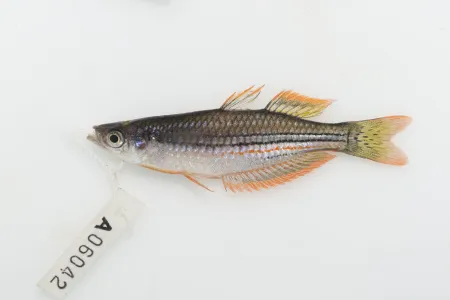
A library of aquatic DNA sounds like it’s been lifted from the pages of a sci-fi novel – but this new and very real database will support future biodiversity monitoring in the Northern Territory.
A project by Charles Darwin University (CDU) created a high-quality DNA sequence reference library to support environmental DNA (eDNA) monitoring- a technique that detects genetic material that organisms leave behind in water through skin cells, mucus or waste.
This initiative is a collaboration between CDU, the Museum and Art Gallery of the Northern Territory (MAGNT) and the Northern Territory Government’s Department of Lands, Planning and Environment (DLPE), which funded the project.
In the past decade, eDNA has become a crucial tool for biodiversity surveying and monitoring, allowing experts to track species without directly observing or disturbing them.
However, the reliability of this tool is dependent on having a well-curated DNA sequence reference library linked to museum voucher specimens, which allows experts to confidently identify species against eDNA samples.
The project, led by CDU Professor of Tropical Biosecurity Maxine Piggott, created a high-quality eDNA library using museum specimens and genomic data from fish monitoring across NT catchments.
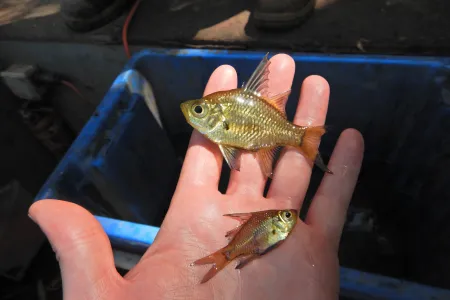
The library features 142 fish, 22 reptiles, 23 crustaceans, one bivalve, and one mammal species.
“This approach significantly reduces the risk of misidentification, a key challenge in eDNA monitoring,” Professor Piggott said.
“Species targeted include freshwater fish such as the exquisite rainbow fish and black banded rainbowfish, freshwater crustaceans, and reptiles including saltwater crocodiles and freshwater turtles.
This resource will help facilitate eDNA monitoring across surface water and groundwater ecosystems, including priority programs such as the Adelaide River water resource assessment and Beetaloo Basin environmental monitoring.
“A major outcome of the project was the close collaboration between research, government, and museum sectors, bringing together field expertise, laboratory science, and curated collections,” Professor Piggott said.
“By linking museum specimens with genomic data, we’ve created a resource that will underpin biodiversity monitoring in the Territory for years to come.”
MAGNT Curator of Fishes Dr Michael Hammer and MAGNT Head of Science Dr Kirsti Abbott, who were collaborators on the project, shared insight into the value of museum specimens in databases such as this.
“Importantly, this project incorporates museum voucher specimens as a foundation to a robust and accurate reference library in perpetuity,” Dr Hammer said.
“Many freshwater fishes can be challenging to identify, and the data set reflects significant long-term research into local taxonomy and biodiversity.”
Dr Abbott added: “In museums we talk about digitally extended specimens.”
“This project is a great example of how well-preserved, expert identified museum specimens can create value for researchers and practitioners around the world without having to visit in person. It amplifies the accessibility of the biodiversity data for the Northern Territory.”
Aligned with the United Nations Sustainable Development Goals
Life below water
Goal 14
Conserve and sustainably use the oceans, seas and marine resources for sustainable development.
Related Articles
'Desert Rose' to be preserved
The legacy of a world record-breaking solar car, developed by and raced by Charles Darwin University students and staff, will be preserved and celebrated in the Northern Territory’s premier museum.
Read more about 'Desert Rose' to be preserved
Federal funding for Country-based health and climate resilience
A new research collaboration to support and strengthen Country-based health and climate resilience has received funding through the National Health and Medical Research Council’s Centres of Research Excellence scheme.
Read more about Federal funding for Country-based health and climate resilience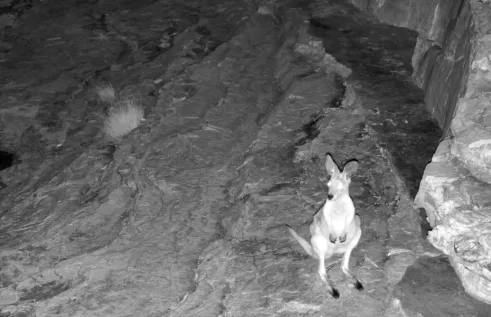
New livestream brings remote Australian arid zone waterhole to the world
A new livestream from a remote waterhole in the Northern Territory is giving people around the world the opportunity to observe wildlife in real time.
Read more about New livestream brings remote Australian arid zone waterhole to the world


