News article
NT literary journal to launch first print edition
The first print edition of the Territory’s own literary journal “Borderlands” is about to arrive in book shops ahead of launch events in Darwin and Alice Springs next month.
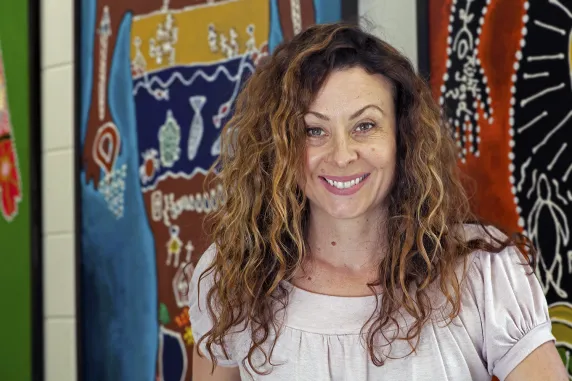
Charles Darwin University Senior Lecturer in Literature Dr Adelle Sefton-Rowston said the print run for the 2020 collector’s edition would be limited to just 500 copies.
“This is a momentous occasion for the Northern Territory, which has not had a physical literary journal of its own for more than 20 years,” Dr Sefton-Rowston said.
“It becomes an even more significant forum for writers, storytellers and critical thinkers in the context of a diminishing newspaper environment, most notably with the cessation of the physical ‘Centralian Advocate’ in Alice Springs last month.
“We are pleased that it is developing into a shared platform for readers, writers, artists, poets and creative writers seeking to express a unique Territory voice.”
Borderlands General Editor Dr Glenn Morrison, a Senior Lecturer at the Batchelor Institute for Indigenous Tertiary Education, said this new edition contained some “beautiful material” by some of the Northern Territory’s top writers.
“There’s a blend of essays, works of fiction, poetry and art, all of which remain faithful to the epigram, ‘where ideas and identities meet’,” Dr Morrison said.
“About a quarter of the submissions were written by Indigenous contributors.”
He said the edition celebrated the winners of the inaugural Borderlands Prize – one for writing; the other for art – worth $1000 each to the winners.
Karen Wyld won the First Nations Writing Award for “Clatter Tongue”, a short work of magical realism that explores voice poverty, and empowerment with language and words.
Lana Twyford won the Art Cover Prize with “My Country”, a clever, contemporary portrait in earthy tones of a young Territorian seeing, reading and reflecting on the Territory.
The publication has also been written into the CDU Bachelor of Arts as a prescribed text for the new “Northern Exposure” unit, which will be unveiled for the start of Semester Two.
Details of the magazine launch will be made public on Borderlands’ social media sites soon.
Related Articles
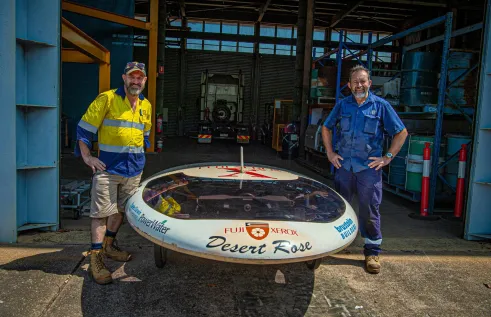
'Desert Rose' to be preserved
The legacy of a world record-breaking solar car, developed by and raced by Charles Darwin University students and staff, will be preserved and celebrated in the Northern Territory’s premier museum.
Read more about 'Desert Rose' to be preserved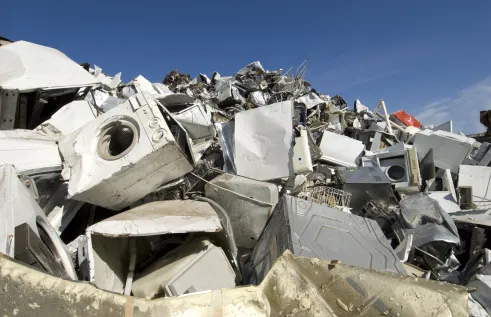
Africans reuse, repair, recycle and resell waste: what’s needed to build on the circular economy basics
Africa’s circular economy is already at work in repair shops and scrap yards. Backing the people who keep goods in use could cut waste and create better jobs.
Read more about Africans reuse, repair, recycle and resell waste: what’s needed to build on the circular economy basics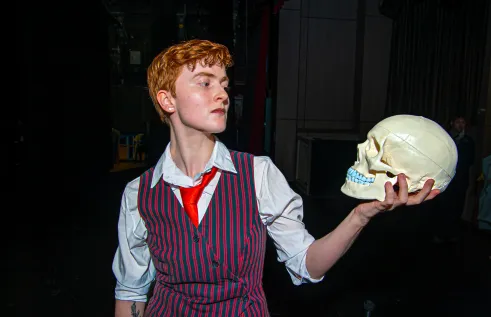
Hamlet gets a contemporary twist in Darwin
Shakespeare’s most famous tragedy will be brought into the modern world in a bold new production of Hamlet at Charles Darwin University Theatre this month.
Read more about Hamlet gets a contemporary twist in Darwin


