News
School students experience university life in the desert
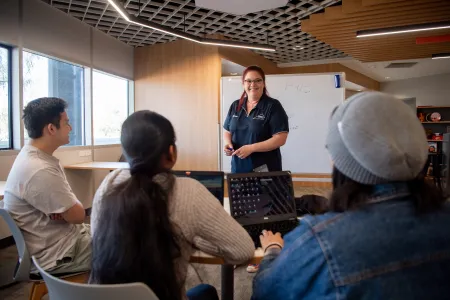
Students from more than four high schools across Alice Springs will be encouraged into career pathways as they arrive on campus on Thursday afternoon to learn about the options available to them.
Attendees will meet with local trainers and lecturers who will be offering an introductory learning experience of the unique course offerings and flexible study options that Charles Darwin University (CDU) has to offer.
CDU’s Vocational Education Training (VET) for Secondary Schools Program has been running for almost 20 years in Alice Springs attracting more than 300 students each year into a range of programs such as plumbing, engineering, tourism, hospitality, business, beauty and more.
VET for Secondary Schools (VSS) Coordinator Trisha Kohlweg will be discussing the program which encourages secondary students to create pathways into employment or further education for secondary school students in preparation for careers and to enter the workforce with accredited skills.
The VET for schools program provides an opportunity for high school students to begin obtaining job ready skills while completing high school,” Ms Kohlweg said.
“Due to location and skills shortages in the region the VET program is vital to getting students job ready to build the local workforce.”
Associate Vice-Chancellor Jay Walker said CDU will continue to push career pathways and options for further education for local students to ensure they can study and stay in Central Australia.
“We can offer a lot of support for school leavers or adults who would like to go back to school, there are pathways to encourage more Territorians to further their studies and build our local workforce,” Mr Walker said.
“We understand that starting university can be intimidating, these courses and programs aim to help local students and their families gain a better understanding of what CDU is and the variety of courses we have on offer for all levels of education.”
Related Articles
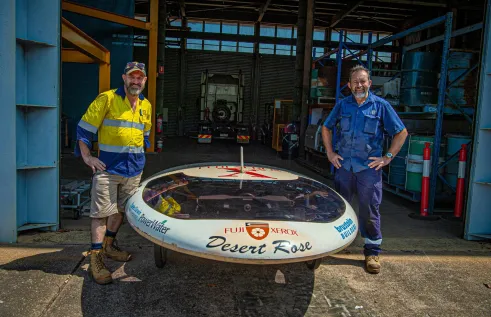
'Desert Rose' to be preserved
The legacy of a world record-breaking solar car, developed by and raced by Charles Darwin University students and staff, will be preserved and celebrated in the Northern Territory’s premier museum.
Read more about 'Desert Rose' to be preserved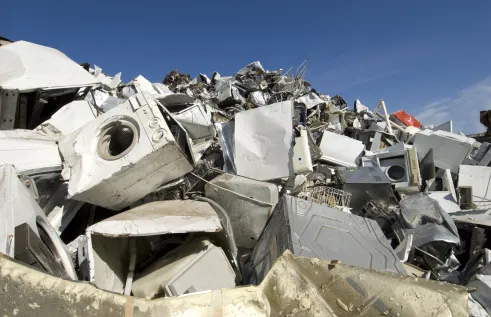
Africans reuse, repair, recycle and resell waste: what’s needed to build on the circular economy basics
Africa’s circular economy is already at work in repair shops and scrap yards. Backing the people who keep goods in use could cut waste and create better jobs.
Read more about Africans reuse, repair, recycle and resell waste: what’s needed to build on the circular economy basics
Hamlet gets a contemporary twist in Darwin
Shakespeare’s most famous tragedy will be brought into the modern world in a bold new production of Hamlet at Charles Darwin University Theatre this month.
Read more about Hamlet gets a contemporary twist in Darwin


