Social media subjecting Black women to radicalised digital policing

Influencers use oppression, manipulation and weaponisation to police Black women on social media, according to new research uncovering the entrenched nature of digital racism.
The study by Charles Darwin University (CDU) Lecturer in Enabling (Humanities) Vimbai Mutero, whose research explores gender-based violence in various forms, examined the unsolicited advice and digital policing of Black femininity across major social media platforms.
This focused on content created by Black influencers, podcasters and social media personalities from YouTube, TikTok and Instagram Reels.
Three central themes emerged from the videos: framing gender equality and women’s autonomy as betrayals of Black cultural values, discouraging independence and portraying single and independent women as undesirable or miserable, and glorification of suffering and submission.
Mutero said with the reach of these videos spanning millions of views, likes and comments of support, it showed how deeply these beliefs are ingrained and how social media can amplify these harmful ideologies.
“The gaslighting, manipulation, and social regulation taking place in online spaces condition Black women to normalise coercion, submission, and emotional suppression,” Mutero said.
“Together, the three themes reveal a multifaceted logic of digital femmephobia, one that punishes Black women for expressing autonomy, resisting submission, or performing femininity in ways that fall outside dominant racialised and heteronormative scripts.
“One of the most pervasive tropes in the dataset was the strategic use of racial and cultural identity to regulate Black femininity, often framed as an effort to ‘preserve’ cultural values.
“This messaging places Black women in a precarious double bind, where they are forced to choose between their Blackness and their womanhood.”
The results in the second theme explored how this online content also twisted the notion of a “strong Black woman” not to be a representation of strength.
“Across multiple videos, influencers, predominantly men, warned women that pursing education, career success, or financial independence would inevitably lead to romantic failure, loneliness, and social rejection,” Mutero said.
“The ‘Strong Black Woman’, in this framework, is not celebrated but punished, depicted as bitter, undesirable, and a social outcast.
“Videos under this theme were the most widely consumed in the dataset. The volume of engagement suggests that these ideas are not fringe but algorithmically favoured and widely embraced.”
Mutero said while this digital behaviour is prevalent, there were online creators and spaces who challenged the policing of Black femininity.
“The same algorithms that amplify patriarchal policing can also be leveraged to foster Black feminist solidarity, as seen in hashtag movements that challenge gendered violence and call out digital misogynoir,” Mutero said.
“As a Woman…”: Policing Black Femininity Through Unsolicited Digital Advice was published in Journal of Femininities, the first academic journal devoted to the study of femininities.
Related Articles
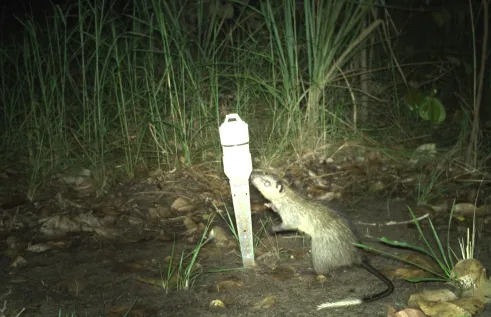
Rangers reimagine AI in wildlife monitoring
As workplaces around the world wrestle to integrate Artificial Intelligence in their operations, researchers and rangers in the heart of West Arnhem are successfully embracing this technology in conservation without compromising respect and knowledge.
Read more about Rangers reimagine AI in wildlife monitoring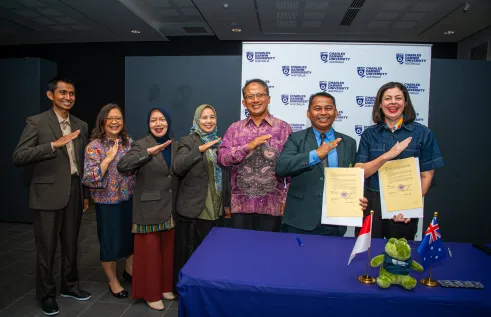
Partnership with Indonesian university to support education and research
A new partnership with one of East Java’s leading education institutions is aligning Charles Darwin University with priorities to strengthen Australia’s relationship with Indonesia.
Read more about Partnership with Indonesian university to support education and research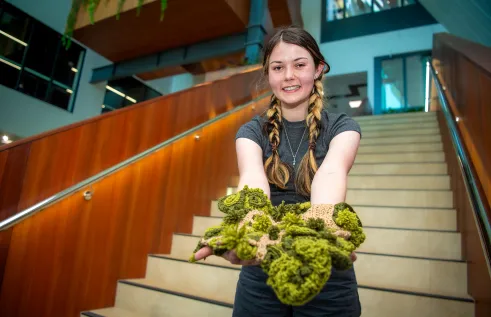
Crocheted landscape takes the gold in architecture competition
When tasked to defy growing reliance on artificial intelligence and create a landscape model without digital tools, Charles Darwin University (CDU) Bachelor of Architectural Design student Jorja Handebo turned to her hobby of the past five years: crochet.
Read more about Crocheted landscape takes the gold in architecture competition


