Stereotypes holding back Australia’s recreational fishing future, new study finds
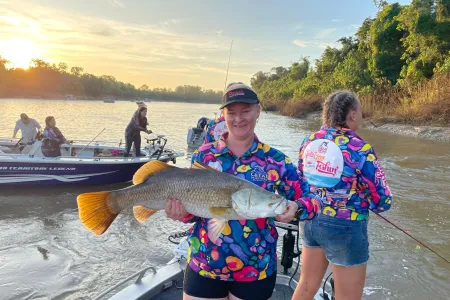
Outdated stereotypes about who a “real fisher” is could be costing Australia’s recreational fishing industry valuable talent, creativity, and growth, new research from Charles Darwin University (CDU) suggests.
Published in Maritime Studies, the study is the first of its kind to explore women’s experiences of recreational fishing in the Northern Territory - the only Australian jurisdiction where women and men participate in the sport at equal rates.
Lead author and CDU Research Institute for the Environment and Livelihoods (RIEL) researcher Dr Jenny House said the Northern Territory’s inclusive fishing culture offers a glimpse of what a more balanced, equitable recreational fishing sector could look like.
“Recreational fishing has often been framed through a masculine lens, all about competition, strength, and dominance over nature,” Dr House said.
“But when women’s stories are missing or stereotyped, we lose sight of how diverse, social and empowering this activity can be. That limits the sector’s potential to grow and evolve.”
Drawing on in-depth interviews with 21 women anglers across the Top End, the study reveals that for many, fishing is as much about connection, confidence and wellbeing as it is about the catch.
Participants described fishing as “therapy," a way to strengthen family ties, and a chance to break free of everyday roles and expectations.
Despite progress, the research found subtle barriers persist, from gender norms in families, through to limited visibility of female fishers in the media and industry leadership.
“The NT shows that when fishing is seen as everybody’s business participation flourishes,” Dr House said.
“If we want the sector to be sustainable, we need to recognise and value the full diversity of people who make up the fishing community.”
Dr House said the findings have implications beyond the Territory, offering lessons for other outdoor recreation sectors striving to attract more women and younger participants.
“A more inclusive fishing culture isn’t just good for gender equality, it’s good for the future of the industry.”
Related Articles
Federal funding for Country-based health and climate resilience
A new research collaboration to support and strengthen Country-based health and climate resilience has received funding through the National Health and Medical Research Council’s Centres of Research Excellence scheme.
Read more about Federal funding for Country-based health and climate resilience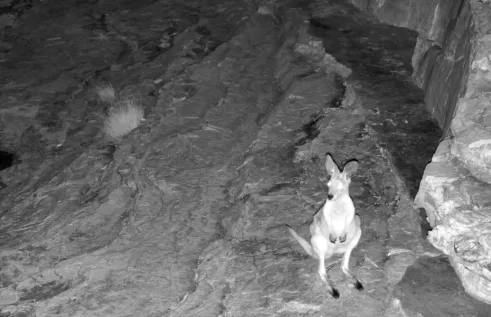
New livestream brings remote Australian arid zone waterhole to the world
A new livestream from a remote waterhole in the Northern Territory is giving people around the world the opportunity to observe wildlife in real time.
Read more about New livestream brings remote Australian arid zone waterhole to the world
Leading scientist recognised for lifetime of dedication to Australian biodiversity and conservation
One of the nation’s most distinguished experts in Australian biodiversity and conservation will be celebrated in an upcoming Charles Darwin University graduation ceremony.
Read more about Leading scientist recognised for lifetime of dedication to Australian biodiversity and conservation


