NEWS ARTICLE
Using fire to save vulnerable species on Tiwi Islands
Research into fire management and biodiversity on the Tiwi Islands is aiming to stop feral predators, particularly feral cats, in their tracks.
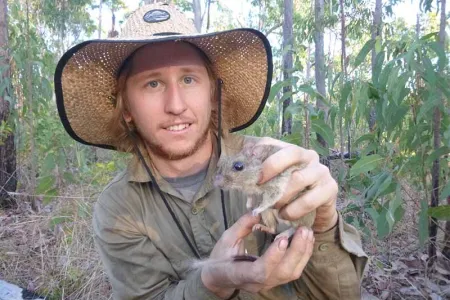
For the past seven years, Charles Darwin University post-doctoral researcher Dr Hugh Davies has been working with the Tiwi Land Rangers to monitor small mammal populations on the ecologically unique Tiwi Islands, located north west of Darwin.
The current project has been running for the past two years thanks to funding delivered via the Threatened Species Recovery Hub, of the Australian Government’s National Environmental Science Program. The project has seen Dr Davies and his team check more than 9600 animal traps for native mammals and process well over one million camera-trap images.
“The Tiwi Islands are a really special place for native mammals,” Dr Davies said. “The islands continue to maintain healthy populations of mammal species that have disappeared in other parts of Australia.
“When I compared my results to previous surveys, I found there had been a decline in the number of small mammals recorded.
“I am now investigating how feral animals might be impacting those numbers and how different fire regimes can assist to protect native wildlife, such as the brush tailed rabbit rat, from predators.”
He said feral cats were one of the biggest threats to native wildlife across Australia, and they loved to hunt on burnt ground.
“When a big fire passes through the landscape it burns all the vegetation, this not only removes critical food resources but also the places native mammals would normally hide, leaving them vulnerable and exposed.
“By changing the fire regime by burning early in the dry season, we can cut fuel loads and create fire breaks, reducing the impact of big destructive fires later in the year.
“The cool fires leave plenty of grass and large woody debris on the ground for the native mammals to hide from predators.”
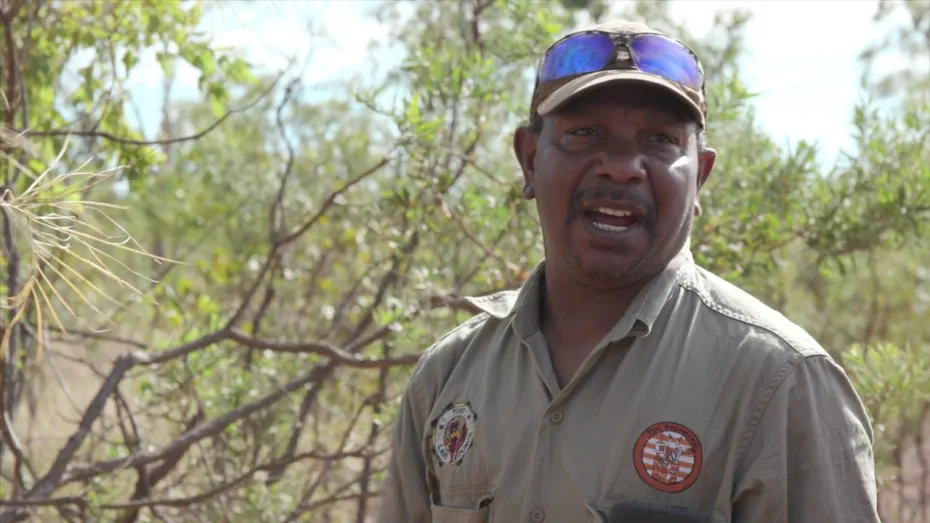
Tiwi Land Ranger Supervisor/Mentor Willy Rioli and his team have played a critical role assisting and providing key knowledge throughout the research project.
“Our role is to manage and look after country, and make sure what is out there, our bush tucker, and our plants and animals, are safe from wild fires,” he said.
“It’s the reason why we are trying to change our method by burning early instead of late, by breaking up and leaving patches of grass here and there, which is helping the critters and animals to escape.”
The research collaboration is the focus of a new video produced by the Threatened Species Recovery Hub. Check out the video below.
Related Articles
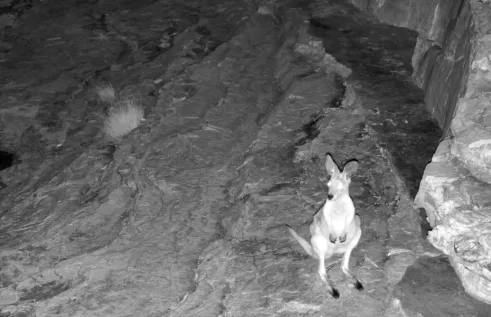
New livestream brings remote Australian arid zone waterhole to the world
A new livestream from a remote waterhole in the Northern Territory is giving people around the world the opportunity to observe wildlife in real time.
Read more about New livestream brings remote Australian arid zone waterhole to the world
Leading scientist recognised for lifetime of dedication to Australian biodiversity and conservation
One of the nation’s most distinguished experts in Australian biodiversity and conservation will be celebrated in an upcoming Charles Darwin University graduation ceremony.
Read more about Leading scientist recognised for lifetime of dedication to Australian biodiversity and conservation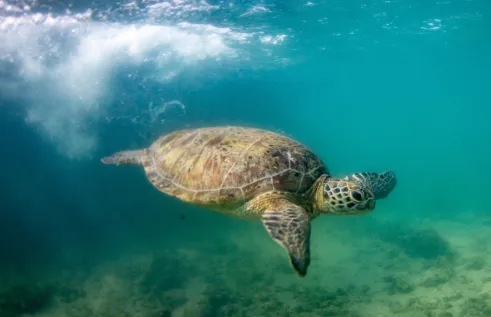
First Nations ranger knowledge reveals the threats facing NT’s green turtles
First Nations ranger groups working in protected areas such as national or marine parks identified illegal commercial fishing as a major concern for the Northern Territory’s green turtle populations, a study led by Charles Darwin University (CDU) and James Cook University (JCU) has found.
Read more about First Nations ranger knowledge reveals the threats facing NT’s green turtles


