Why reframing doom news reporting could be key to tackling climate crisis
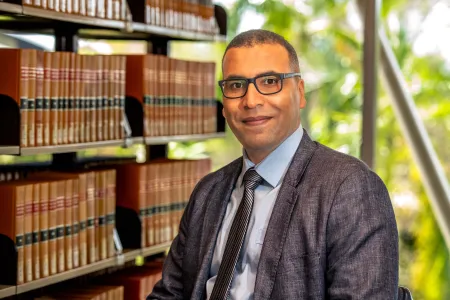
Replacing doom-laden environmental reporting with hopeful, solutions-focused stories could be key to tackling the climate crisis, according to award-winning research from Charles Darwin University (CDU).
CDU Lecturer in Linguistics (Faculty of Arts and Society) Dr Awni Etaywe and CDU Lecturer in Media and Journalism (Faculty of Arts and Society) Dr Jennifer Pinkerton have identified a reporting style that inspires action by framing environmental challenges through care, shared values, and possibility.
The researchers term this ‘Positive Environmental Journalism’ (PEJ).
The study shows that when environmental stories emphasise possibility over catastrophe, it can strengthen public engagement with climate and biodiversity issues, encouraging readers to see themselves as part of the solution.
Dr Etaywe said PEJ offers a constructive alternative to the traditional alarmist framing often seen in mainstream environmental journalism.
“If people are constantly told the situation is hopeless, they disengage,” Dr Etaywe said.
“When we focus on solutions, shared values, and tangible actions, we open the door to lasting behavioural change.”
The research analysed 30 digital news articles from outlets including ABC News Online, Guardian Australia and News.com.au.
It found the most engaging stories used language that built eco-cultural bonds (a sense of belonging that links identity and action with the natural world) rather than relying on fear.
Dr Etaywe said the findings demonstrate the need for a deliberate narrative shift in how the media approaches climate and environmental reporting.
“PEJ fosters hope, moral obligation and pro-environmental action,” he said.
“It’s about building solidarity, not fear, in the face of our environmental crisis.”
Dr Pinkerston said PEJ can also help readers better engage with environmental journalism and feel empowered to act on behalf of nature.
“Audiences respond when they feel respected, informed, and part of the story. PEJ invites them into the conversation as active participants, not passive bystanders.”
The paper, Building bonds and reader engagement through positive environmental journalism in Australia, received the Top Paper Award at the International Environmental Communication Association’s biennial Conference on Communication and Environment (COCE 2025).
Dr Etaywe said the recognition was both humbling and affirming, with the study offering practical tools for journalists worldwide.
“This is a roadmap for reframing climate and biodiversity reporting, about shifting the narrative from despair to empowerment,” he said.
“If we want audiences to act, we need to tell stories that show change is possible.”
Related Articles
Africans reuse, repair, recycle and resell waste: what’s needed to build on the circular economy basics
Africa’s circular economy is already at work in repair shops and scrap yards. Backing the people who keep goods in use could cut waste and create better jobs.
Read more about Africans reuse, repair, recycle and resell waste: what’s needed to build on the circular economy basics
The good, the bad, and the ugly food: Why religious shoppers are buying bruised veggies
A recent study with Charles Darwin University examines how consumers’ religiosity influences the purchase of “ugly foods”, or foods that are aesthetically imperfect but nutritious.
Read more about The good, the bad, and the ugly food: Why religious shoppers are buying bruised veggies
Rangers reimagine AI in wildlife monitoring
As workplaces around the world wrestle to integrate Artificial Intelligence in their operations, researchers and rangers in the heart of West Arnhem are successfully embracing this technology in conservation without compromising respect and knowledge.
Read more about Rangers reimagine AI in wildlife monitoring


