Northern Institute
Language as a Catalyst for Polarisation and Hate Crimes
| Presenter | Dr Awni Etaywe - Lecturer in Linguistics |Forensic Linguist |Researcher in Terrorism, Threatening Communication & Incitement | Activist Discourse Analyst | |
|---|---|---|
| Date/Time |
to
|
|
| Contact person |
Northern Institute
|
|
| Location | Room 31, Level 4, Education and Community Precinct, Charles Darwin University | |
| Open to | Public | |
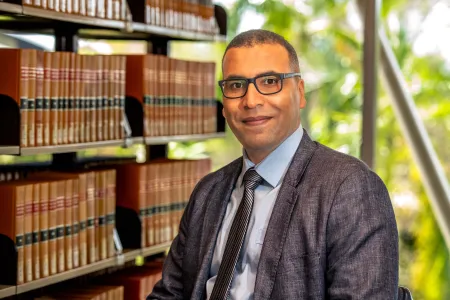
The March 2025 “Christchurch 2.0” online threat against Muslim Australians underscores the urgent need to examine the role of language in inciting hatred and radical actions and shaping public perceptions.
This seminar exposes law enforcement to tactics used by far-right extremists to radicalise society, particularly through the manipulation of religious identity to incite intergroup fear and mistrust—tactics that are especially relevant in the context of recent ‘fake terrorism plots,’ ‘fabricated attacks,’ and the defacement of places of worship.
It provides insights for academics, policymakers, human rights advocates, and legal experts on how extremist discourse enables hate crimes, with implications for legal frameworks, social cohesion, and community resilience. Focusing on the Great Replacement manifesto published by the Australian Christchurch shooter before the 2019 mosque attacks in New Zealand, the seminar employs forensic discourse analysis (e.g., Reisigl & Wodak, 2001; Etaywe, 2024, 2025; Etaywe & Zappavigna, 2024) to examine how far-right rhetoric dehumanises targets, fosters identity polarisation, and legitimises violence.
Key themes also include the manifesto’s embedding of conspiracy theories, its framing of immigrants and minorities as existential threats, and its strategic use of historical and religious narratives to polarise society and justify violence. Situating the manifesto within broader sociopolitical contexts, this analysis highlights how hate speech intersects with identity politics and digital propaganda, fuelling radicalisation and social fragmentation.
The seminar underscores the urgent need for policy interventions and educational initiatives to counteract dangerous speech and promote inclusive discourse, equipping stakeholders with linguistic tools to combat the proliferation of hate and violence in an increasingly polarised world.
Presenter
Dr Awni Etaywe is a linguistics lecturer at Charles Darwin University and a leading expert in forensic linguistics, specialising in terrorism, threatening communications, and incitement to hatred and violence.
His insights have informed public media, academic debate, and the design of social media platforms (e.g. Confinity Inc.). His work appears in Discourse & Society, Language in Society, the Routledge International Handbook of Online Deviance, Line of Defence (New Zealand’s Defence and National Security Magazine), and Australian Quarterly, and has been featured on ABC and RNZ.
He is currently leading a national Home Affairs project applying forensic linguistics to counter violent extremism.
You can register the event:
In-person (limited seating): In person by RSVP
Online: Zoom Webinar registration
Related Events
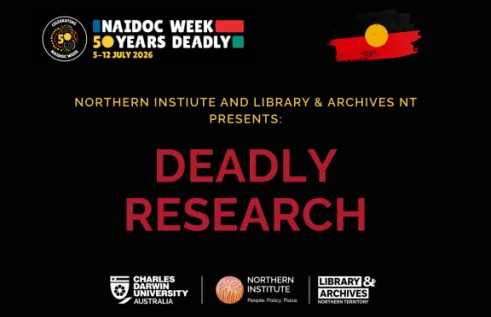
Deadly Research
Celebrating NAIDOC Week, the Northern Institute proudly presents ‘Deadly Research’, in collaboration with the Library and Archives NT. Honouring this year's National NAIDOC Week theme, ‘50 Years of Deadly’, this special event shines a spotlight on the incredible contributions of First Nations academics.
Read more about Deadly Research
The Dr Bilawara Lee OAM (Aunty B), Faculty of Health Public Lecture
Bernard Salt explores how the aging baby boomer generation and a post-pandemic shift toward wellness will drive unprecedented demand and consumer expectations within Australia’s healthcare sector and "care economy" through 2036.
Read more about The Dr Bilawara Lee OAM (Aunty B), Faculty of Health Public Lecture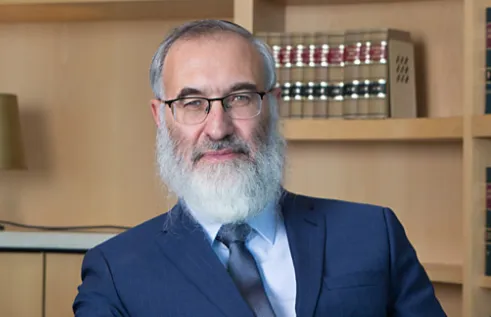
Freedom of Political Communication and Social Cohesion
The 15th Austin Asche Oration features The Hon. Justice Marcus Solomon SC, who will examine how debates surrounding free speech, rising prejudice, and declining social cohesion are reshaping Australia's legal and political landscapes.
Read more about Freedom of Political Communication and Social Cohesion


