RIEL seminar series
Genomics-based monitoring of ants and termites for ecosystem change
| Presenter | Allyson Malpartida | |
|---|---|---|
| Date/Time |
to
|
|
| Contact person |
Research Institute for the Environment and Livelihoods
|
|
| Location | Yellow 1, Level 1, Room 33 at CDU Casuarina Campus, and online via Zoom. All times are ACST. | |
| Open to | All International audience, CDU staff and students, Public | |
Allyson Malpartida is a PhD candidate and a Genomics Research Assistant within the Research Institute for the Environment and Livelihoods at Charles Darwin University.
Terrestrial invertebrates are valuable bioindicators in land management, but their wider use is limited by the time required for morphological identification and the shortage of taxonomic expertise. Allyson’s PhD explores how DNA metabarcoding and environmental DNA (eDNA) can help overcome this challenge in northern Australia. During the seminar ‘Genomics-Based Monitoring of Ants and Termites for Ecosystem Change’, Allyson will present this research.
Focusing on ants and termites as ecologically dominant terrestrial invertebrates, Allyson has developed and validated new metabarcoding assays and tested whether they could recover ecological patterns seen in morphological surveys.
Across fire and mine rehabilitation case studies, these methods have successfully detected community change, particularly for ants, and helped uncover errors in morphology-based datasets, demonstrating their potential for faster, more consistent and more accessible application in long-term monitoring programs, so long as it is supported by comprehensive DNA reference libraries.
YouTube video
Related Events
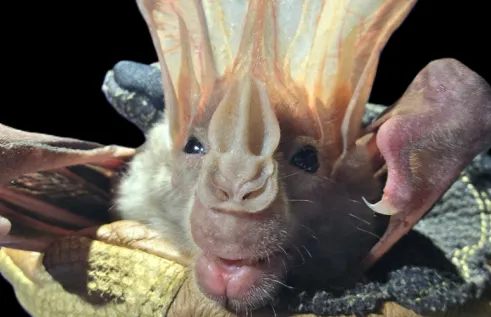
The Macroderma Initiative: Conserving ghost bats in a changing landscape
Dr Nicola Hanrahan, a research fellow at Charles Darwin University, will present a seminar on the Macroderma Initiative’s efforts to utilise acoustic, genetic, and movement data to address critical knowledge gaps and improve conservation strategies for the declining ghost bat.
Read more about The Macroderma Initiative: Conserving ghost bats in a changing landscape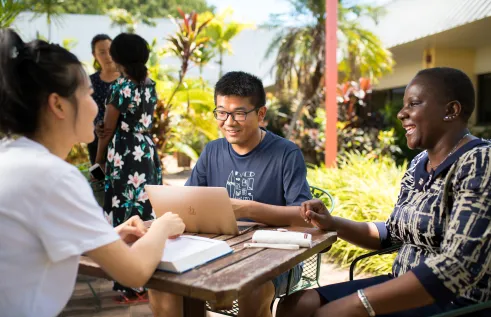
From Policy to Place: Strengthening Regional Migration Outcomes through a Whole-of-Community Approach
Join us for this seminar how migration can better support the sustainability and vitality of rural and remote Australia.
Read more about From Policy to Place: Strengthening Regional Migration Outcomes through a Whole-of-Community Approach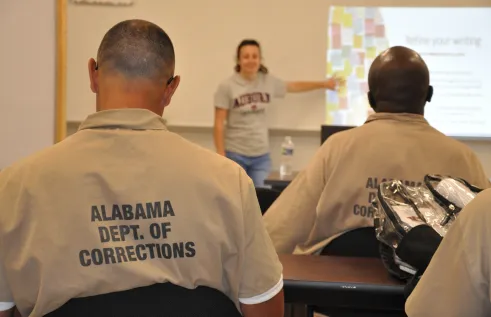
Making the Invisible Visible: Creative Justice Reform and Prison Education
Join us for this compelling seminar which will discuss "Making the Invisible Visible" which puts forward the invaluable ways that research in the creative arts and humanities shifts understandings of justice and education for safer communities.
Read more about Making the Invisible Visible: Creative Justice Reform and Prison Education


