CDU conservation biologist named NT’s only Young Tall Poppy Award recipient
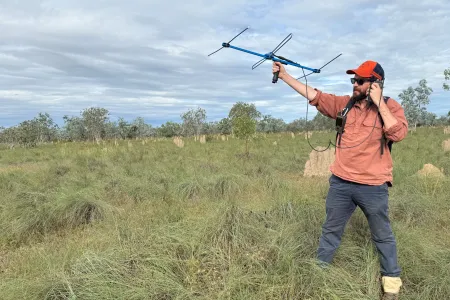
A Charles Darwin University (CDU) conservation biologist whose work has become a staple in the hands of environmentalists across the Territory has been named the NT’s Young Tall Poppy Award recipient for 2025.
Dr Chris Jolly, a Macquarie University Research Fellow and adjunct for CDU’s Research Institute for the Environment and Livelihoods (RIEL), is one of dozens of recognised experts across the nation this year but is the only recipient in the Territory.
The awards recognise scientific excellence around the country and encourage young scientists to become ambassadors for their work and drive meaningful conversations that resonate with the everyday Australian.
Dr Jolly’s research focuses on reptiles and protecting Australia’s native wildlife, including how animal populations respond to threats like invasive species and changing fire regimes.
His Whitley Award-winning Field Guide to the Reptiles of the Northern Territory plays a vital role in making science accessible to the public.
Dr Jolly said recognition such as the Young Tall Poppy Award would have profound impacts on his research, giving him a leg-up in a competitive academic industry and enabling him to continue conservation work.
“I’m just an animal obsessed child that followed my passion for wildlife into adulthood – now, I have an exciting career doing what I love and care about for a living,” he said.
“I am hoping this recognition will also provide me with opportunities to give back to the Territory and its residents in being able to be involved in more outreach events to help foster a love, passion and understanding of wildlife amongst Territorians.”
Dr Jolly congratulated other recipients around the country.
He said recognising and encouraging young scientists in particular was an important endeavour, noting young people would be the future of Australia’s innovation.
“We have so many major conservation issues that need addressing, from land clearing to invasive species and climate change.
“High quality research conducted by young Australians is what will allow us to address these crises into the future and recognising people’s tireless work is invaluable in helping their future and motivating the next generation to get involved in finding solutions.”
Related Articles

Federal funding for Country-based health and climate resilience
A new research collaboration to support and strengthen Country-based health and climate resilience has received funding through the National Health and Medical Research Council’s Centres of Research Excellence scheme.
Read more about Federal funding for Country-based health and climate resilience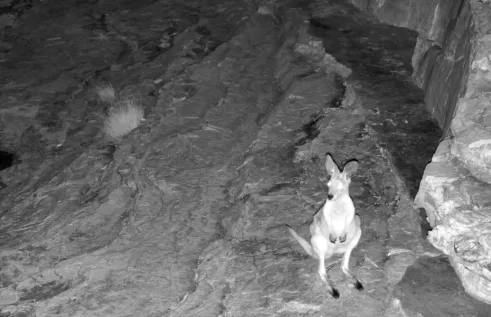
New livestream brings remote Australian arid zone waterhole to the world
A new livestream from a remote waterhole in the Northern Territory is giving people around the world the opportunity to observe wildlife in real time.
Read more about New livestream brings remote Australian arid zone waterhole to the world
Leading scientist recognised for lifetime of dedication to Australian biodiversity and conservation
One of the nation’s most distinguished experts in Australian biodiversity and conservation will be celebrated in an upcoming Charles Darwin University graduation ceremony.
Read more about Leading scientist recognised for lifetime of dedication to Australian biodiversity and conservation


