News
CDU investing in research with new three-year scholarships

Charles Darwin University (CDU) is continuing its push to attract Higher Degree by Research (HDR) students with a new multi-million-dollar scholarship fund.
The Domestic Excellence Scholars (DES) will offer 18 scholarships to students interested in pursuing a research degree, worth $40,000 a year for three years and includes a living allowance, relocation allowance and other entitlements.
CDU Pro-Vice Chancellor Research and Innovation Professor Steve Rogers said the scholarship scheme was important to grow CDU’s research excellence in different fields of study.
“Higher degree by research students are the backbone of our university’s research efforts, not only by delivering their own research but also in support of our experienced researchers,” Professor Rogers said.
In 2021, CDU had more than a 10 per cent increase in the number of HDR students from 303 to 337, including a 64 per cent increase in the students commencing PhDs, from 48 in 2020 to 79 in 2021.
Professor Rogers said the growth in higher degree by research students was a vote of confidence that the university offers students the right study environment with the reputable researchers they want as supervisors.
“This is an extraordinary result considering that the academic sector is experiencing the same skill shortages as other industries,” Professor Rogers said.
“There are a lot of competition from universities and research institutes to attract top student candidates from a shallow pool.”
Applicants must be able to show excellence in their fields of study by obtaining First Class Honours or Masters by Research in a university ranked in the top 500.
Applicants must also have a high distinction on a postgraduate research project in a university ranked in the top 500, and be a lead author on a research article in a publication that is equivalent to the top 25 per cent in the field.
The successful applicant also needs to commence at CDU between January 5 and March 31, in 2023.
For more information about scholarships and to apply, visit Seek and search scholarships in Darwin.
Related Articles
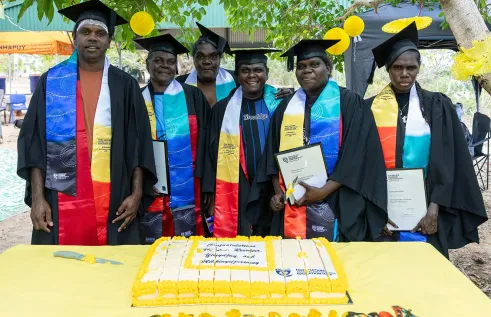
First Nations Training and Teacher Education Hub celebrates first major milestone
As Charles Darwin University's (CDU) First Nations Training and Teacher Education Hub draws closer to the end of its first year, one of its greatest milestones to date was conferring its first six graduates.
Read more about First Nations Training and Teacher Education Hub celebrates first major milestone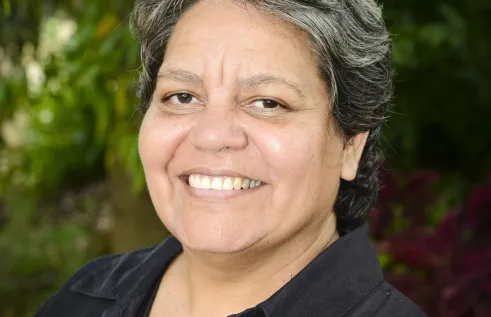
Federal funding for Country-based health and climate resilience
A new research collaboration to support and strengthen Country-based health and climate resilience has received funding through the National Health and Medical Research Council’s Centres of Research Excellence scheme.
Read more about Federal funding for Country-based health and climate resilience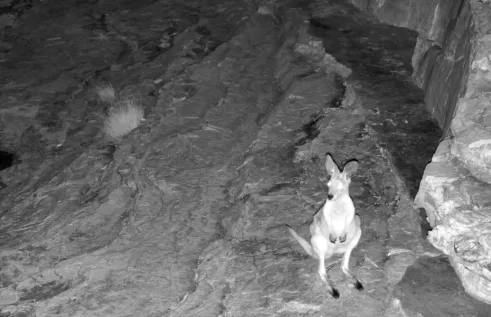
New livestream brings remote Australian arid zone waterhole to the world
A new livestream from a remote waterhole in the Northern Territory is giving people around the world the opportunity to observe wildlife in real time.
Read more about New livestream brings remote Australian arid zone waterhole to the world


