Leading scientist recognised for lifetime of dedication to Australian biodiversity and conservation
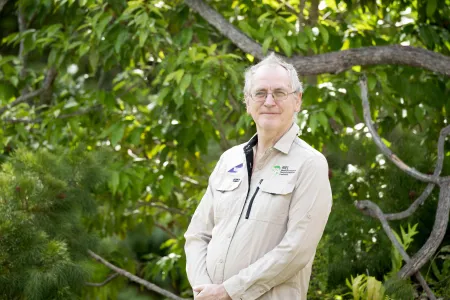
One of the nation’s most distinguished experts in Australian biodiversity and conservation will be celebrated in an upcoming Charles Darwin University (CDU) graduation ceremony.
This week, 1502 students will be conferred during CDU's September graduations in Darwin.
Alongside graduates on Tuesday, conservation biologist Professor John Woinarski will be awarded the honorary title of Emeritus Professor.
Professor Woinarski is globally recognised as a leading authority on Australian biodiversity, particularly wildlife in northern Australia.
He first joined CDU in 2011 and throughout his time, has provided extensive academic leadership, coordination, research and training that has advanced understanding of northern Australian biodiversity and conservation.
Of note, Professor Woinarski has co-authored 12 books, more than 80 book chapters, and 300 scientific papers, which have been cited more than 24,000 times.
Through these publications and advisory roles he’s held, such as with the Australian Government’s Threatened Species Scientific Committee, Professor Woinarski has had significant national influence on biodiversity science and conservation policy.
Much of this work also shaped the influence and direction of CDU’s Research Institute for the Environment and Livelihoods (RIEL), including crucial collaborations with First Nations groups, governments, non-government organisations and communities.
Professor Woinarski has also supervised more than 30 PhD students in his career and continues to do so as an Adjunct Professor.
“CDU is a marvellous collective of really good, young researchers which is heartening. It means the work I’ve done will be continued and expanded,” Professor Woinarski said.
“I’ve got lifelong friendships and have had so many collaborations with CDU staff.”
Professor Woinarski, who’s fascination with nature began while growing up in the mountains of Victoria, said throughout his career it’s been a priority to understand nature and how humans fit within it, and share how humanity can give back to nature.
“We’re privileged to be living in such a wonderful natural environment in Australia, the Top End in particular, and we should cherish it and leave it special for those that follow,” he said.
RIEL Director Professor Sam Banks commended Professor Woinarski for his unwavering dedication to nature.
“Having John as a colleague has been - and continues to be - a huge source of pride for me, other staff and students here at CDU,” Professor Banks said.
“Amongst many other things, his work has laid the foundation for a great model for collaborative research with universities, government scientists and community-based ranger groups in the Northern Territory.
“His research has informed national biodiversity strategies, threatened species action plans, and environmental policy across Australia. Perhaps more importantly, he has been tireless in his efforts to communicate about northern Australia’s biodiversity, what it means to us and what we need to do to look after it.”
Related Articles
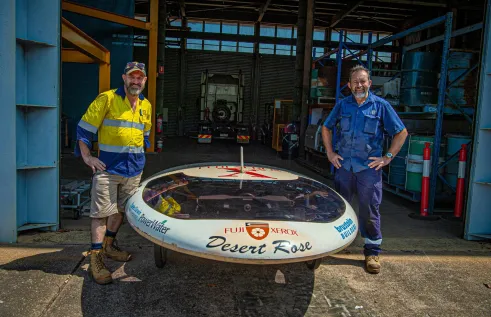
'Desert Rose' to be preserved
The legacy of a world record-breaking solar car, developed by and raced by Charles Darwin University students and staff, will be preserved and celebrated in the Northern Territory’s premier museum.
Read more about 'Desert Rose' to be preserved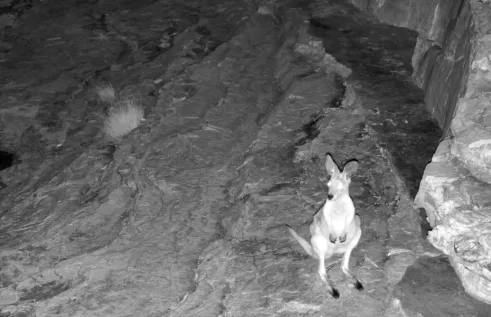
New livestream brings remote Australian arid zone waterhole to the world
A new livestream from a remote waterhole in the Northern Territory is giving people around the world the opportunity to observe wildlife in real time.
Read more about New livestream brings remote Australian arid zone waterhole to the world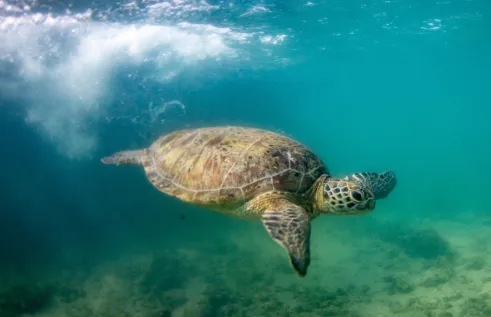
First Nations ranger knowledge reveals the threats facing NT’s green turtles
First Nations ranger groups working in protected areas such as national or marine parks identified illegal commercial fishing as a major concern for the Northern Territory’s green turtle populations, a study led by Charles Darwin University (CDU) and James Cook University (JCU) has found.
Read more about First Nations ranger knowledge reveals the threats facing NT’s green turtles


