Research reveals how Australians really feel about the world's largest proposed solar farm
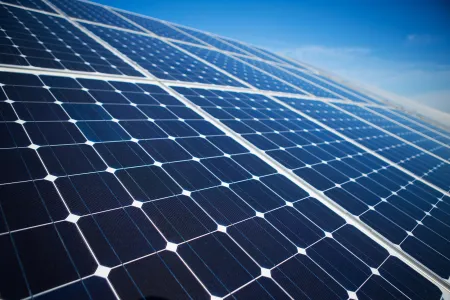
Australians are substantially supportive of renewable megaprojects, but their approval begins to wane if the produced energy doesn’t benefit them, according to a new study examining social acceptance of the proposed world’s largest solar plant.
The study by Charles Darwin University (CDU) examined the public acceptance of the Australia-Asia PowerLink, a 12,000-ha solar megaproject proposed to be developed in the Barkly region of the Northern Territory.
Once developed, it’s intended to export most of the solar energy produced overseas.
The study surveyed people from around Australia to gain insights into their attitudes towards renewable energy and the proposed project.
The results showed 89 per cent of respondents supported the construction of the project and agreed the remote Northern Territory was the perfect place to build it.
Lead author Professor Kerstin Zander, who is from CDU’s Northern Institute, said approval of this project declined when respondents were asked if they agreed it was acceptable to export energy overseas.
Fifty-four per cent of respondents said it was acceptable to export energy overseas. More than half the respondents who found it unacceptable would change their minds if the produced solar energy was used exclusively in Australia.
“While our results indicate that the developer might have a social licence to build the solar megafarm, they do not necessarily have it for exporting a large proportion of the energy,” Professor Zander said.
“Part of this may be entangled with concern about the cable itself, there may also be concerns related to distributive justice. Unlike in Europe where energy moves relatively freely among countries in the European Union, only half of the respondents considered it fair to produce the energy on Australian land then export most of it for use in a different country.
“What may be needed to raise acceptance is further consultation and awareness raising for potential benefits of the planned strategy, especially the lower greenhouse gas production in Asia if it is replaced by Australian renewable solar power.”
Further results include 78 per cent of respondents agreed renewable energy production is needed to reduce Australia’s carbon emissions, and 89 per cent agreed the Northern Territory was the perfect place to have such a large-scale renewable energy project.
Made in Australia, used in Asia: Public acceptance and the cable controversy of Australia-Asia PowerLink, a remote solar megaproject was published in the journal Energy Research & Social Science.
This paper follows previous research conducted by Professor Zander regarding the public’s views of this proposed project.
Related Articles
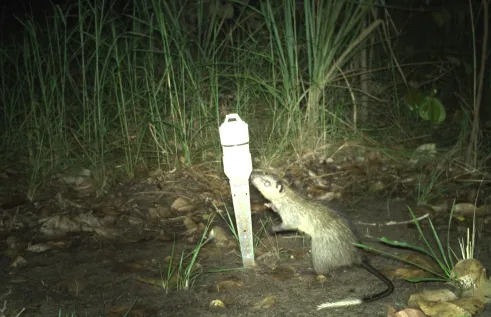
Rangers reimagine AI in wildlife monitoring
As workplaces around the world wrestle to integrate Artificial Intelligence in their operations, researchers and rangers in the heart of West Arnhem are successfully embracing this technology in conservation without compromising respect and knowledge.
Read more about Rangers reimagine AI in wildlife monitoring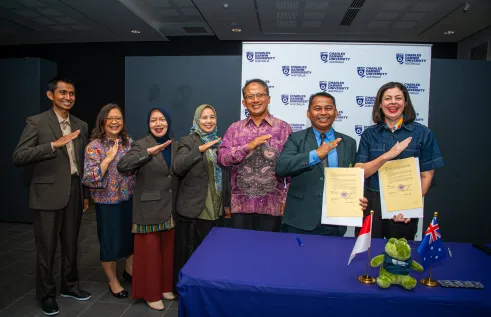
Partnership with Indonesian university to support education and research
A new partnership with one of East Java’s leading education institutions is aligning Charles Darwin University with priorities to strengthen Australia’s relationship with Indonesia.
Read more about Partnership with Indonesian university to support education and research
Crocheted landscape takes the gold in architecture competition
When tasked to defy growing reliance on artificial intelligence and create a landscape model without digital tools, Charles Darwin University (CDU) Bachelor of Architectural Design student Jorja Handebo turned to her hobby of the past five years: crochet.
Read more about Crocheted landscape takes the gold in architecture competition


