news article
Resilient sea turtle adapts to life with missing front flipper
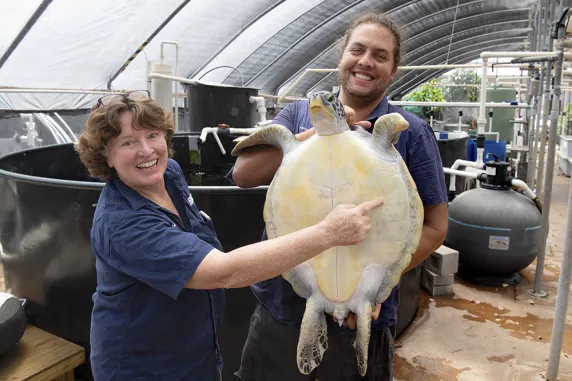
A critically injured Green Sea Turtle, which suffered a severed front flipper, cracked shell and fractured plastron (underbelly) has been nursed to full health and is ready to be released into the wild.
“Jolie” the turtle arrived at Charles Darwin University’s Turtle Rehabilitation Centre in November 2018 with the significant injuries, which are thought to have been caused either by a crocodile, shark attack or being hit by a boat.
The sick turtle had a bone protruding from her missing front flipper and was thought to need a blood transfusion and operation to have a chance of surviving.
But Jolie amazed CDU staff by healing the severed limb naturally, with the protruding bone falling off and the wound sealing.
CDU Primary Industry Training senior technical officer Kathy Kellam said Jolie was one of the most resilient turtles she had encountered.
“We thought she would need surgery to have a chance of surviving and were amazed when she healed herself naturally,” she said.
“Her missing flipper doesn’t seem to impede her swimming and she is now strong enough to be released.”
Jolie weighed less than seven kilograms when she arrived in CDU’s care, but has almost trebled her weight to sit at a healthy 20 kilograms.
She will be tagged and released this evening at Middle Island, which is about a half hour boat ride from Dundee on the Sea Darwin boat.
During the trip about 10 Flatback sea turtle hatchlings, which have been residing at the rehabilitation centre, also will be released back into the wild at Bare Sand Island.
Related Articles
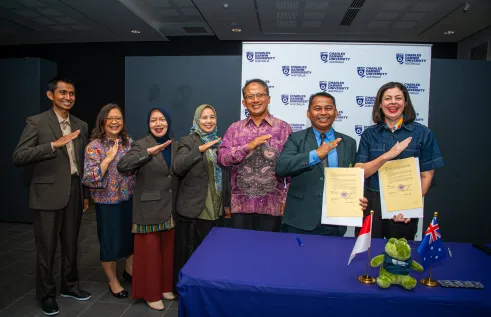
Partnership with Indonesian university to support education and research
A new partnership with one of East Java’s leading education institutions is aligning Charles Darwin University with priorities to strengthen Australia’s relationship with Indonesia.
Read more about Partnership with Indonesian university to support education and research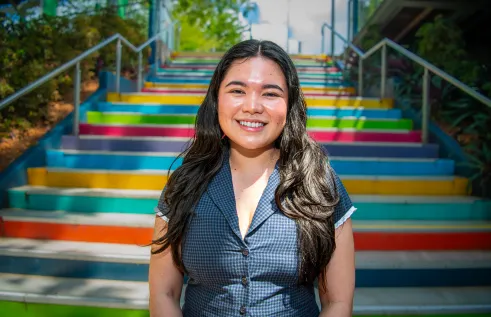
Darwin needs a BBL: Architecture student's vision for the Top End
A vertical promenade designed by a Charles Darwin University (CDU) architecture student and inspired by Singapore's Gardens by the Bay offers a glimpse into Darwin's future facelift.
Read more about Darwin needs a BBL: Architecture student's vision for the Top End
CDU improves standing in Times Higher Education rankings
Charles Darwin University (CDU) has improved its standing across all five categories in the 2027 Time Higher Education World University Rankings.
Read more about CDU improves standing in Times Higher Education rankings


