Territory mangoes, Kakadu plums, NT Barramundi: The quest for Northern Territory premium brands

Territory mangoes, NT beef, local barramundi and Kakadu plums are among the Northern Territory’s major exports – but once they’re on the plate, how many people ponder the origin of these products?
A new PhD project at Charles Darwin University (CDU) will help the Northern Territory become synonymous with its food produce, providing much needed marketing support for food NT producers and manufacturers.
Food provenance refers to a food’s origin and history, where it’s from, and how it was produced and processed. Producers around the world are adopting provenance branding in their marketing efforts.
This includes Geographic Indication (GI) registrations that protect the origin and unique qualities of products from specific geographic area. Europe has the highest number of GI registered products with notable examples including Parmigiano Reggiano, Scotch whisky and Champagne. Such names can only be used for products produced in that country or region.
CDU Professor of Marketing and Dean of Graduate Studies Steven Greenland, who is the principal supervisor of this project, said geographic branding for local NT produce is crucial for advancing the Northern Territory’s food production and manufacturing.
“While NT food manufacturing plants have been built in the past, they’ve been largely unsuccessful, and the products have not been marketed properly," he said.
"This project will support local producers by identifying the unique Northern Territory selling points for a range of food categories, including First Nations bush foods. NT value-add geographic messaging and branding for our food products will support successful localised food producers and manufacturers.”
Such Northern Territory food branding takes advantage of the global trend in food provenance and of customers demanding to know more about where their food comes from. Professor Greenland said: “Consumers are more informed than ever thanks to the internet and social media."
"They are increasingly concerned about where their food comes from, if it is produced ethically and sustainably, and if it’s healthy – food provenance is key to this,” he said.
“We have very high-quality produce. The Northern Territory’s seafood, fruit and beef are second to none, but our producers are unable to capitalise on it because they don’t yet have the resources and capabilities to develop provenance brands. This CDU research project will help to change this.”
Interested PhD applicants can contact Professor Greenland for more information on this project.
Related Articles
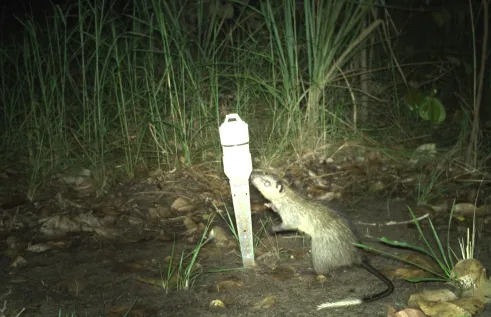
Rangers reimagine AI in wildlife monitoring
As workplaces around the world wrestle to integrate Artificial Intelligence in their operations, researchers and rangers in the heart of West Arnhem are successfully embracing this technology in conservation without compromising respect and knowledge.
Read more about Rangers reimagine AI in wildlife monitoring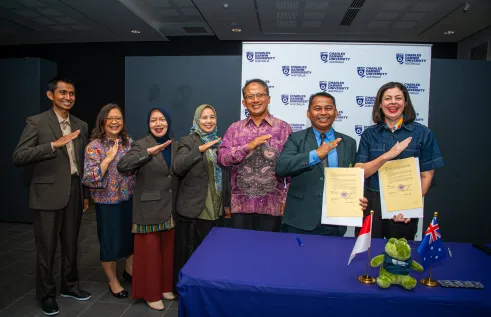
Partnership with Indonesian university to support education and research
A new partnership with one of East Java’s leading education institutions is aligning Charles Darwin University with priorities to strengthen Australia’s relationship with Indonesia.
Read more about Partnership with Indonesian university to support education and research
Darwin needs a BBL: Architecture student's vision for the Top End
A vertical promenade designed by a Charles Darwin University (CDU) architecture student and inspired by Singapore's Gardens by the Bay offers a glimpse into Darwin's future facelift.
Read more about Darwin needs a BBL: Architecture student's vision for the Top End


