New breakthrough from CDU researchers could improve detection of potentially fatal sleep disorder
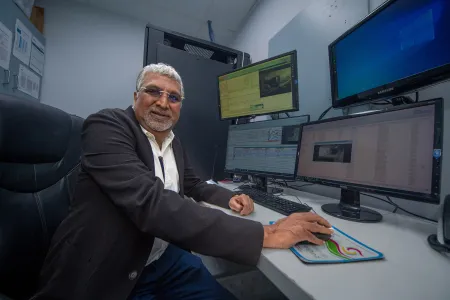
Many Australians could be suffering from undiagnosed Obstructive Sleep Apnoea (OSA), with Charles Darwin University (CDU) researchers developing a new technique to screen for the potentially fatal condition.
A pilot study conducted in the Northern Territory found the new General Practice Sleep Scale (GPSS) - OSA questionnaire performed “significantly better” than existing common screening tools for OSA - including the Epworth Sleepiness Scale (ESS), Berlin Questionnaire and OSA-50.
Featuring a broader, more inclusive scope of questions across categories including age, sex and patient experience, the GPSS is designed to increase accessibility, ease and accuracy; with patients able to complete the questionnaire in a waiting room prior to a clinical appointment.
OSA can lead to serious health problems including (but not limited to) heart disease, stroke, diabetes and high blood pressure; as well as increase the risk of car and workplace accidents if left untreated.
It is also one of the most common forms of sleep disorder encountered in day-to-day clinical practice, with prevalence as high as 38 per cent in the general adult population.
The study's lead author, former CDU PhD candidate Dr Timothy Howarth, said the GPSS - OSA was also an improvement over the STOP-Bang screening tool.
"Screening tools need to avoid two things - 1) not referring patients who do have OSA and 2) referring patients who do not have OSA," he explained.
"In our study, if referrals were made based on a “moderate” score for the STOP-Bang, 59 per cent of patients would not be referred, and of those, 50 per cent would have OSA.
"In contrast, using a “moderate” score on the GPSS, 14 per cent of patients would not be referred, and of those 0 per cent would actually have OSA."
Early diagnosis and treatment can significantly reduce the harms associated with sleep disorders, including OSA.
The study’s lead co-author - CDU School of Medicine and Royal Darwin Hospital and Darwin Respiratory Sleep Health - Darwin Private Hospital Respiratory and Sleep specialist, Professor Subash Heraganahally, said that despite the availability of current screening tools, OSA remained largely underdiagnosed.
"More than 50 per cent of patients who don't meet the current referral criteria in Australia recorded moderate to severe OSA on completing a diagnostic polysomnography (PSG)," he said.
"In 2023, 80.8 per cent of GP attendances were six-to-20-minute consultations, highlighting that the time taken to fill multiple questionnaires within a consultation is likely a significant barrier to assess for OSA, let alone to further initiate specialist referrals or to undergo a sleep study.
Noting increasing rates of obesity in Australia and an ageing population, Professor Heraganahally explained some of the current screening tools - such as the STOP-Bang and OSA-50 - had "significant age and gender bias” and that OSA was becoming more prevalent in at risk younger individuals and adult women of all ages.
"Some of the existing screening tools were developed and validated predominately to include patients over 50 years and males and new referral guidelines for PSG should be considered," he said.
The study, General Practice Sleep Scale – The “GPSS” – a proposed new tool for use in General Practice for risk assessment of Obstructive Sleep Apnoea, was published in Sleep Medicine, the official journal of the World Sleep Society and International Paediatric Sleep Association.
The theme for this year's #WorldSleepDay (14th March) is 'Make Sleep Health a Priority.'
Related Articles
Federal funding for Country-based health and climate resilience
A new research collaboration to support and strengthen Country-based health and climate resilience has received funding through the National Health and Medical Research Council’s Centres of Research Excellence scheme.
Read more about Federal funding for Country-based health and climate resilience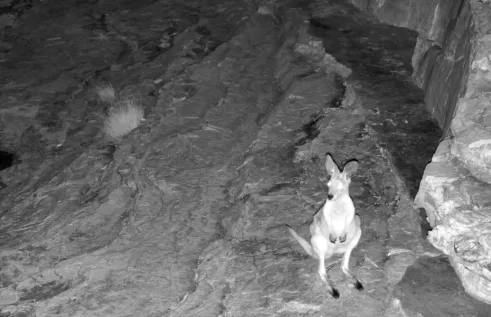
New livestream brings remote Australian arid zone waterhole to the world
A new livestream from a remote waterhole in the Northern Territory is giving people around the world the opportunity to observe wildlife in real time.
Read more about New livestream brings remote Australian arid zone waterhole to the world
How ants are cashing in on the fight against money laundering
An AI model inspired by ants, bees, and birds could be the key to cracking down on blockchain-based money laundering, new research led by Charles Darwin University (CDU) has found.
Read more about How ants are cashing in on the fight against money laundering


