Prison education program could help students work towards degree

A Charles Darwin University (CDU) arts program could soon give corrections impacted students the opportunity to work towards a degree.
Since 2019 Dr Adelle Sefton-Rowston has been teaching women in the Darwin Correctional Centre how to express themselves through writing and the creative arts.
About 50 students between ages 18 to mid-60s have participated in the program.
Dr Sefton-Rowston, who has conducted significant research into prison education programs, is exploring the possibility of introducing course credits after attending a two-week summer residency with the Bard Prison Initiative (BPI) in New York.
The Bard Prison Initiative, spread across seven prisons in New York, offers its students the opportunity to study and receive college credits and degrees. Since 2001, the initiative has issued more than 50,000 credits and more than 600 degrees.
Dr Sefton-Rowston said her time participating in the residency, which showcased the systems used by the Bard Prison Initiative to enrol students and support them inside and outside of prison, opened her eyes to the lifechanging possibilities of integrating credits and qualifications into the prison arts program.
"The hopes of the arts program now after the BPI residency is to see the value in offering students the opportunity to earn credit for the work that they participate in," Dr Sefton-Rowston said.
“As well to be part of an educational community and how that transcends from being part of a prison community to being part of a different kind of disciplined community which is about education and bettering oneself.”
Dr Sefton-Rowston said one of the key components of the Bard Prison Initiative’s success was how it helped reintegrate its students into the community, and in turn the community’s commitment to supporting students.
“The people of New York have an invested interest in knowing about the effects of mass incarceration, and how they can be part of the solution,” she said.
“I believe the biggest antidote to mass incarceration is the impact that we can have on the community outside of the prison.
“I help incarcerated writers publish their work. I try to promote the murals that they've painted so people can see the human value of people on the inside, that they can contribute to arts and culture and that there is a place for them when they return to community as valuable people who think, learn, and create like any of us.”
In 2021, Dr Sefton-Rowston was awarded a Fulbright scholarship to travel to the United States to research state-of-the-art prison education programs.
Dr Sefton-Rowston travelled to Alabama where she learned about the history of successful programs in the US, as well as the challenges.
“The hopes of the arts program now after the BPI residency is to see the value in offering students the opportunity to earn credit for the work that that they participate in,” Dr Sefton-Rowston said.
Related Articles
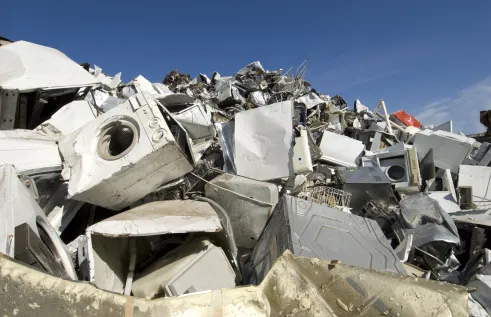
Africans reuse, repair, recycle and resell waste: what’s needed to build on the circular economy basics
Africa’s circular economy is already at work in repair shops and scrap yards. Backing the people who keep goods in use could cut waste and create better jobs.
Read more about Africans reuse, repair, recycle and resell waste: what’s needed to build on the circular economy basics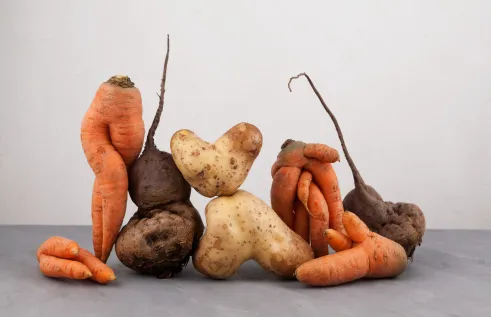
The good, the bad, and the ugly food: Why religious shoppers are buying bruised veggies
A recent study with Charles Darwin University examines how consumers’ religiosity influences the purchase of “ugly foods”, or foods that are aesthetically imperfect but nutritious.
Read more about The good, the bad, and the ugly food: Why religious shoppers are buying bruised veggies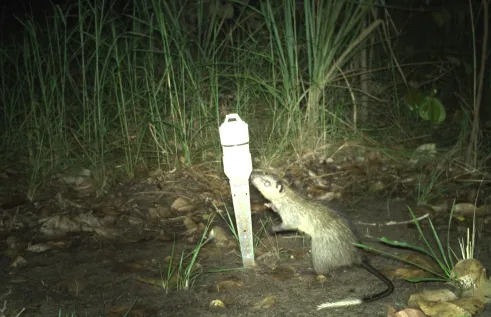
Rangers reimagine AI in wildlife monitoring
As workplaces around the world wrestle to integrate Artificial Intelligence in their operations, researchers and rangers in the heart of West Arnhem are successfully embracing this technology in conservation without compromising respect and knowledge.
Read more about Rangers reimagine AI in wildlife monitoring


