A new approach to manage Darwin Harbour
Darwin Harbour is a strategic port in the Top End of Australia. It provides a major economic contribution to the regional economy.
Over the last decade, rigorous and consistent water quality monitoring has been carried out by researchers from our Research Institute for the Environment and Livelihood (RIEL), which has provided invaluable information on the harbour, catchment and ecosystems. However, the Darwin Harbour Advisory Committee has recognised that with the increased developing pressure and climate change, a broader scope is needed, which will now include social, economic, environmental and Indigenous cultural values.
The Traditional Owners of the land where the Darwin Harbour stands have a profound knowledge of the biological, seasonal and sacredness of the harbour’s land and water. These Traditional Owners, along with many other stakeholders, will work together on developing the Integrated Report Card.
Over the next few years, the Report Card will track the health of Darwin Harbour to allow informed decision making towards a sustainable future for all those living in the surrounding area.
Related Articles
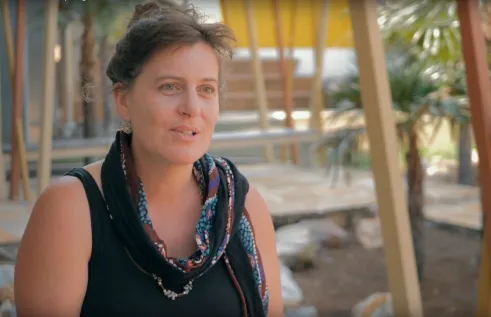
Dr Sarah Ireland discusses her work in the remote region of Arnhem Land
Dr Ireland's research project, 'Caring for Mum on Country', looks at how Indigenous knowledge can be used to empower women to become "Doula", Indigenous childbirth companions.
Read more about Dr Sarah Ireland discusses her work in the remote region of Arnhem Land
Federal funding for Country-based health and climate resilience
A new research collaboration to support and strengthen Country-based health and climate resilience has received funding through the National Health and Medical Research Council’s Centres of Research Excellence scheme.
Read more about Federal funding for Country-based health and climate resilience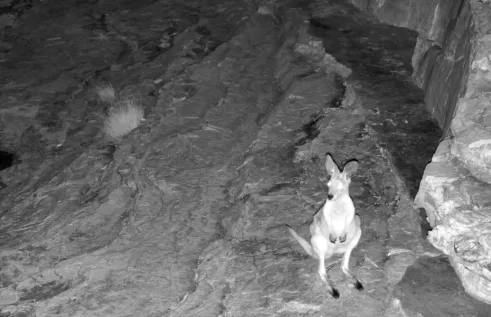
New livestream brings remote Australian arid zone waterhole to the world
A new livestream from a remote waterhole in the Northern Territory is giving people around the world the opportunity to observe wildlife in real time.
Read more about New livestream brings remote Australian arid zone waterhole to the world


