Northern Institute
Black Lives, White Law
| Presenter | Dr Russell Marks | |
|---|---|---|
| Date/Time |
to
|
|
| Contact person |
Northern Institute
|
|
| Location | Danala Education and Community Precinct, Festival Learning Space 1.11 (Ground Floor) | |
| Open to | Public | |
Don't miss this insightful seminar and Q&A with Dr Russell Marks, an NT criminal defence lawyer and author of Black Lives, White Law. Explore Australia's incarceration crisis and uncover the deep flaws in our criminal justice system that disproportionately impact Aboriginal and Torres Strait Islander people.
Be part of the discussion as Dr Marks examines current policies, their failures, and potential solutions. Bring your questions, challenge perspectives, and engage in meaningful dialogue.
About the Book:
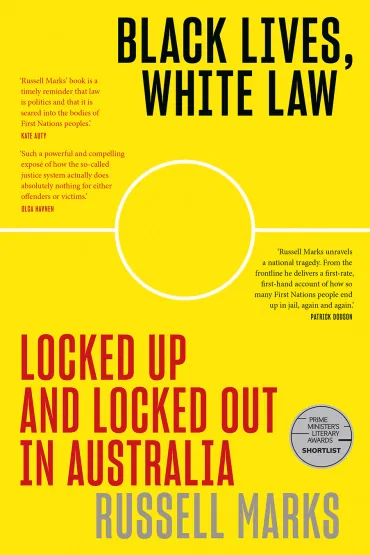
Indigenous Australians are the most incarcerated people on the planet. Indigenous men are fifteen times more likely to be locked up than their non-Indigenous counterparts; Indigenous women are twenty-one times more likely.
Featuring vivid case studies and drawing on a deep sense of history, Black Lives, White Law explores Australia’s extraordinary record of locking up First Nations people. It examines Australia’s system of criminal justice – the web of laws and courts and police and prisons – and how that system interacts with First Nations people and communities. How is it that so many are locked up? Why have imprisonment rates increased in recent years? Is this situation fair? Almost everyone agrees that it’s not. And yet, it keeps getting worse.
In this groundbreaking book, Russell Marks investigates Australia’s incarceration epidemic. What would happen if the institutions of Australian justice received the same scrutiny to which they routinely subject Indigenous Australians?
‘How should we tell the story of Indigenous incarceration in Australia? Only part of it is in the numbers. We can’t get very far by looking at the crimes that see Indigenous offenders punished by courts and sentenced to prison … To really grapple with the problem of Indigenous incarceration requires us to accept the possibility that there might be another way. That the current state of affairs – where entire families sometimes spend time behind bars – is not inevitable.’—Russell Marks
- Shortlisted, Australian Political Book of the Year Award 2023
- Shortlisted, Prime Minister’s Literary Award for Australian History 2023
The book is available for purchase online and in-store at the CDU Bookshop.
Author
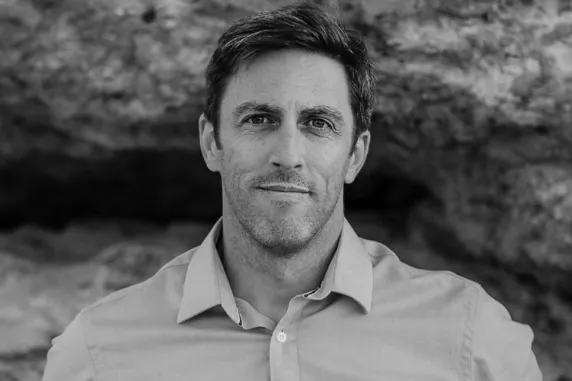
Dr Russell Marks is a criminal defence lawyer and an Adjunct Research Fellow at La Trobe University, where he completed a PhD in Australian political history. He is the author of Crime and Punishment: Offenders and Victims in a Broken Justice System and Black Lives, White Law: Locked Up and Locked Out in Australia. Among other jobs, he has worked for Aboriginal legal services in the Northern Territory and Victoria and writes for The Monthly magazine. He lives on Kaurna land.
Registration
In-person: Please RSVP to attend in person.
Online: Once you register, you will receive an individual link from Zoom no-reply@zoom.us.
Each seminar is recorded and linked to our Seminars page.
Getting there
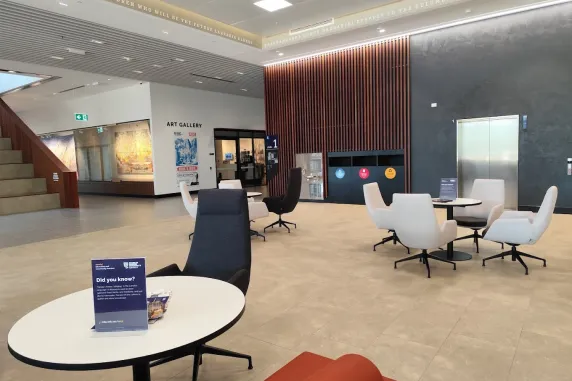
Festival Learning Space, Level 1 - left side of the main entry way, across from the Art Gallery.
Danala Education and Community Precinct
54 Cavenagh Street, Darwin City, NT, 0800
Google Maps Location
Access: If you have any additional access or support requirements, please contact us. Level 1 is street level and has bathrooms, CDU student services and security available on this floor. Please note that there will be directional signs on the event day and that the underground car parking is not available yet so please use the surrounding street parking.
Related Events
Last refugium of a critically endangered species: Three decades of conservation
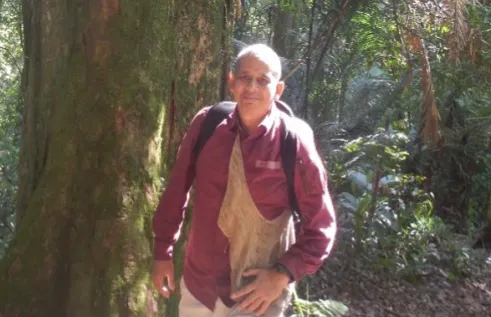
The Banggai Crow (Corvus unicolor), is one of the world’s most threatened endemic species. The bird survives in an increasingly fragmented refugium within the Banggai Archipelago, Central Sulawesi.
Read more about Last refugium of a critically endangered species: Three decades of conservation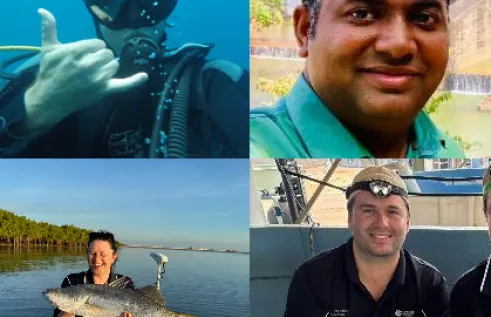
Marine science in the NT: From research and monitoring to stock assessment
In this seminar, the team will provide an overview of fisheries research in the Northern Territory, highlighting monitoring programs, data collection, and how these activities inform stock assessment and fisheries management
Read more about Marine science in the NT: From research and monitoring to stock assessment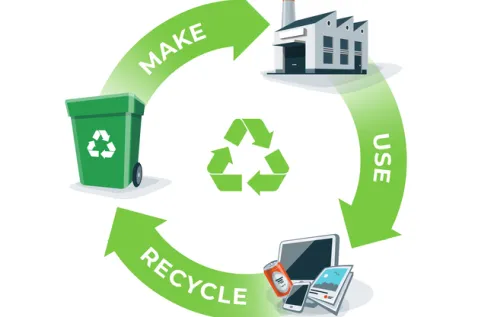
What NT Businesses think about Circular Economy
This seminar offers an opportunity for businesses, researchers, and policymakers to explore recent research and engage in a panel discussion about the drivers, challenges, and future of adopting circular economy practices in the Northern Territory.
Read more about What NT Businesses think about Circular Economy


