RIEL Seminar Series
Entomophagy, cultural entomology, and insect biodiversity loss in Africa
| Presenter | Dr Caswell Munyai | |
|---|---|---|
| Date/Time |
to
|
|
| Contact person |
Research Institute for the Environment and Livelihoods
|
|
| Location | Yellow 1, Level 2, Room 48 at CDU Casuarina Campus, and online via Zoom (see below for Zoom link). All times are ACST. | |
| Open to | All International audience, CDU staff and students, Public | |
Dr Caswell Munyai is a Senior Lecturer in invertebrate biology at the School of Life Sciences, University of KwaZulu-Natal.
In the seminar ‘Entomophagy, cultural entomology, and insect biodiversity loss in Africa’, Caswell will briefly discuss the history of entomophagy and summarise the global distribution of edible insect species. He will then explore entomophagy and entomotherapy in Africa, highlighting indigenous and traditional knowledge with examples from his research group, especially in South Africa. Finally, he will address challenges and opportunities for entomophagy and entomotherapy in Africa and present studies from his group on land-use change and its effects on insect biodiversity.
Caswell leads an entomology research group working on diverse topics and contributes to nature documentaries that raise public awareness about biodiversity. His research interests include myrmecology and entomophagy in Africa.
Related Events
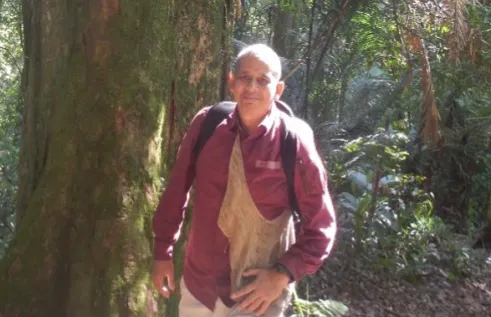
Last refugium of a critically endangered species: Three decades of conservation
The Banggai Crow (Corvus unicolor), is one of the world’s most threatened endemic species. The bird survives in an increasingly fragmented refugium within the Banggai Archipelago, Central Sulawesi.
Read more about Last refugium of a critically endangered species: Three decades of conservation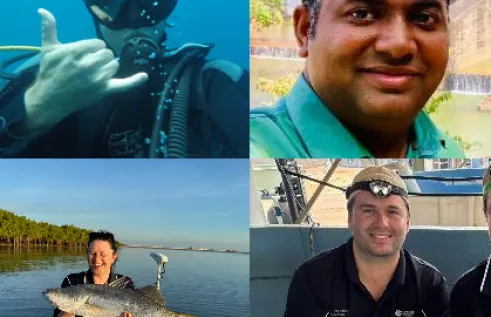
Marine science in the NT: From research and monitoring to stock assessment
In this seminar, the team will provide an overview of fisheries research in the Northern Territory, highlighting monitoring programs, data collection, and how these activities inform stock assessment and fisheries management
Read more about Marine science in the NT: From research and monitoring to stock assessment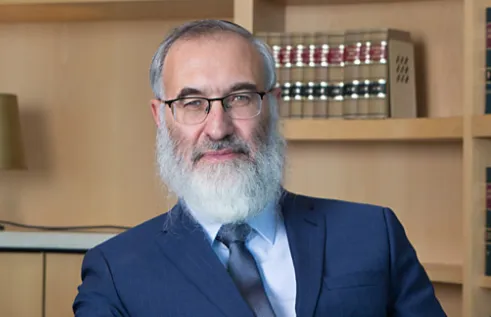
Freedom of Political Communication and Social Cohesion
The 15th Austin Asche Oration features The Hon. Justice Marcus Solomon SC, who will examine how debates surrounding free speech, rising prejudice, and declining social cohesion are reshaping Australia's legal and political landscapes.
Read more about Freedom of Political Communication and Social Cohesion


