RIEL seminar series
Fish and floodplains: drivers of barramundi migration in the Top End
| Presenter | Dr Brien Roberts | |
|---|---|---|
| Date/Time |
to
|
|
| Contact person | E: riel.outreach@cdu.edu.au | |
| Location | CDU Casuarina Campus Yellow 1.1.39 and online | |
| Open to | Public | |
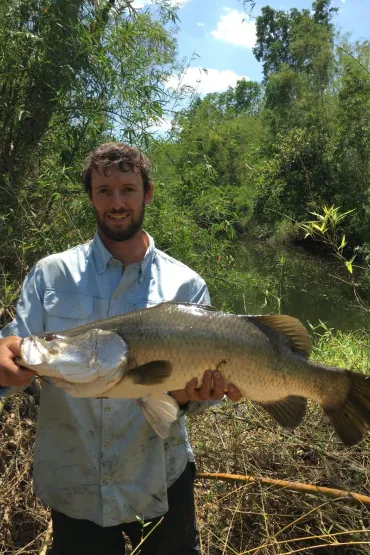
Migration is a fundamental aspect of the lifecycle of many animals and enables individuals to exploit habitats and resources that are geographically separated from breeding sites. Movement patterns are often highly variable among individuals, which may have profound implications for the productivity and resilience of populations and the ecosystem services (e.g., fisheries) they provide. Diadromous fishes, which undergo migrations between marine and freshwater habitats, are exemplars of such behavioural flexibility, which makes them ideal candidates to investigate the mechanisms that underpin migration. My PhD research uses barramundi as a model species to explore the causes and consequences of variable migratory behaviour within populations. Overall, my findings underscore the importance of productive freshwater habitats for barramundi populations and highlight the complexity of trade-offs between life history characteristics and individual fitness. I argue that hydrological variability, which characterises northern Australian rivers, plays a key role in enhancing the productivity of important commercial, recreational and subsistence fisheries. My research outlines the threats to tropical riverine and coastal fisheries imposed by increasing demand for freshwater resources, emphasising the need to incorporate the preservation of life history diversity into the goals of sustainable development.
Brien Roberts is a recent PhD graduate with RIEL at Charles Darwin University. He has a keen and lifelong interest in aquatic biology, and will be in part presenting his thesis, titled ‘Drivers of catadromous migration in barramundi in the wet/dry tropics of northern Australia’. He is currently working as an aquaculture scientist with NT Fisheries.
Related Events
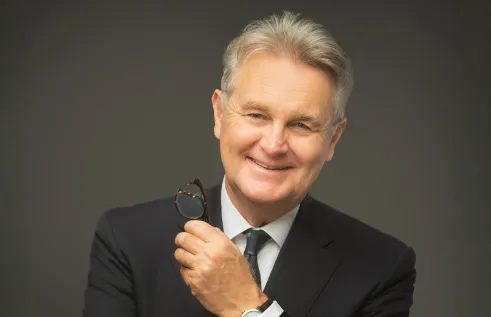
The Dr Bilawara Lee OAM (Aunty B), Faculty of Health Public Lecture
Bernard Salt explores how the aging baby boomer generation and a post-pandemic shift toward wellness will drive unprecedented demand and consumer expectations within Australia’s healthcare sector and "care economy" through 2036.
Read more about The Dr Bilawara Lee OAM (Aunty B), Faculty of Health Public Lecture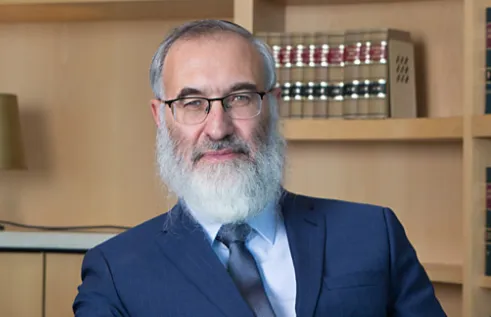
Freedom of Political Communication and Social Cohesion
The 15th Austin Asche Oration features The Hon. Justice Marcus Solomon SC, who will examine how debates surrounding free speech, rising prejudice, and declining social cohesion are reshaping Australia's legal and political landscapes.
Read more about Freedom of Political Communication and Social Cohesion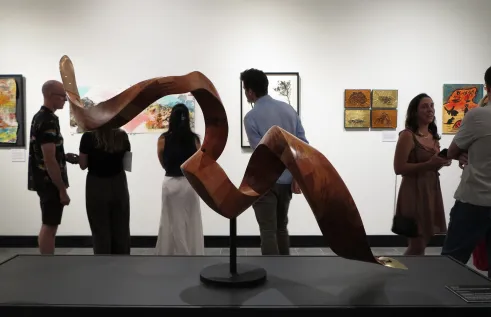
Curator Talk - Darwin Visual Arts
Led by DVA General Manager and artist Ioanna Thymianidis, this guided curatorial tour invites audiences to closely engage with selected artworks by exploring the materials, creative processes, and curatorial decisions behind them.
Read more about Curator Talk - Darwin Visual Arts


