RIEL special seminar
Groundwater Dependent Ecosystems
| Presenter | Dr Tanya Doody (CSIRO) | |
|---|---|---|
| Date/Time |
to
|
|
| Contact person | E: RIEL.outreach@cdu.edu.au | |
| Location | Casuarina Campus, Yellow 1.1.39 and online | |
| Open to | Public | |
Groundwater dependent ecosystems (GDEs) are complex and dynamic ecosystems that have varying temporal and spatial dependency on groundwater. GDEs can include vegetation, wetlands, and subsurface stygofauna, to name a few. Altered connectivity between GDEs and groundwater results in ecosystem decline leading to irreversible change over extended periods, with ecosystem components succeeded and often by opportunistic invasive weed species. This seminar will illustrate different types of GDEs, characteristics of groundwater dependency and knowledge gaps in their management.
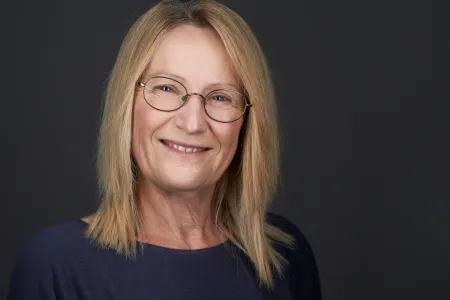
Dr Tanya Doody is a spatial ecohydrological research scientist who facilitates understanding and advancement of research in relation to groundwater dependent ecosystems, with an overarching aim to inform multiple scales of hydrological management. Tanya’s core expertise is in field data collection and interpretation of plant water relations in floodplain and forest environments with skills developed over 30 years in CSIRO, Australia’s national research organisation.
Tanya has significant experience in quantifying the water requirements of vegetation and at times, their impact on water resources. Additionally, using spatial approaches, she scales field evapotranspiration to local and regional scales to identify relationships between hydrology, ecology, surface water and groundwater interactions using integrative science. Collectively, this research helps to understand the water requirements of woody vegetation and the impact of perturbations, especially on native trees in the Murray-Darling Basin in Australia, to ensure suitable provision of groundwater and surface water to maintain ecosystem functions.
Related Events
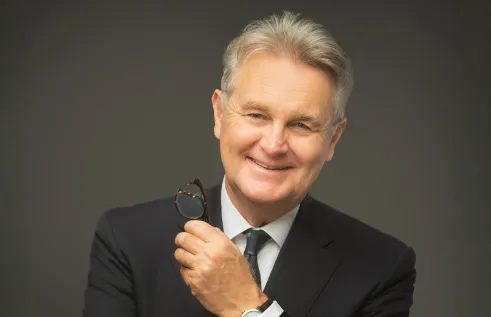
The Dr Bilawara Lee OAM (Aunty B), Faculty of Health Public Lecture
Bernard Salt explores how the aging baby boomer generation and a post-pandemic shift toward wellness will drive unprecedented demand and consumer expectations within Australia’s healthcare sector and "care economy" through 2036.
Read more about The Dr Bilawara Lee OAM (Aunty B), Faculty of Health Public Lecture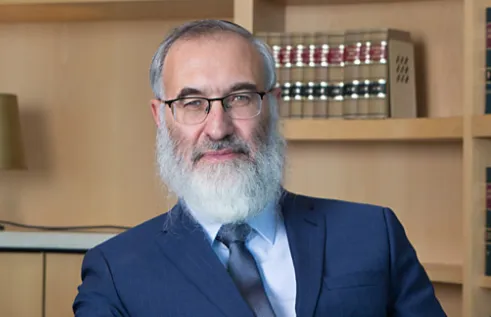
Freedom of Political Communication and Social Cohesion
The 15th Austin Asche Oration features The Hon. Justice Marcus Solomon SC, who will examine how debates surrounding free speech, rising prejudice, and declining social cohesion are reshaping Australia's legal and political landscapes.
Read more about Freedom of Political Communication and Social Cohesion
NT Art Awards Guided Tour
The Midpul Art Gallery is hosting a guided tour of the NT Art Awards that invites viewers to explore the creative processes and material choices of 72 diverse artists to gain a deeper perspective on their work.
Read more about NT Art Awards Guided Tour


