RIEL seminar series
Kruger National Park: The RIEL experience
| Presenter | Alan Andersen, Ellen Rochelmeyer, Angga Rachmansah, Allyson Malpartida and François Brassard | |
|---|---|---|
| Date/Time |
to
|
|
| Contact person | E: riel.outreach@cdu.edu.au | |
| Location |
Casuarina campus Yellow 1. 1.39 and online https://charlesdarwinuni.zoom.us/j/86595370318 |
|
| Open to | Public | |
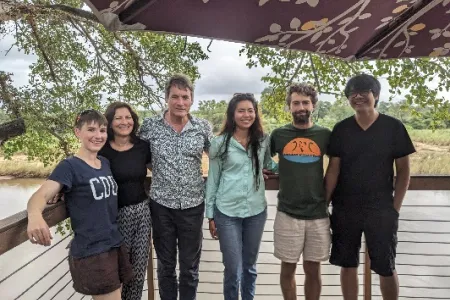
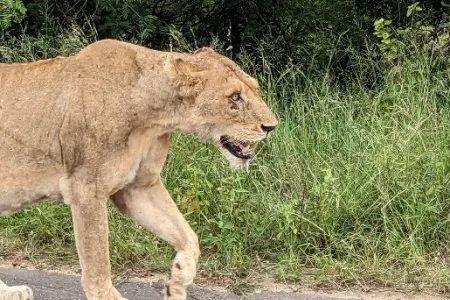
Kruger National Park is the world’s most famous savanna conservation reserve, attracting millions of visitors each year. Kruger is not only an iconic nature-based tourist destination but serves as a model for science-based conservation management. It has an in-house research unit (Scientific Services) of approximately 35 researchers and has accommodation for >50 visiting researchers. It also hosts the Savanna Science Network Meeting, an annual conference that attracts 300-400 savanna researchers from throughout the world. Alan has been attending the meeting virtually every year since 2000, and this year took Ellen, Angga, Allyson and Francois with him. During this seminar they will share their experiences, featuring of course some amazing wildlife photographs.
Related Events
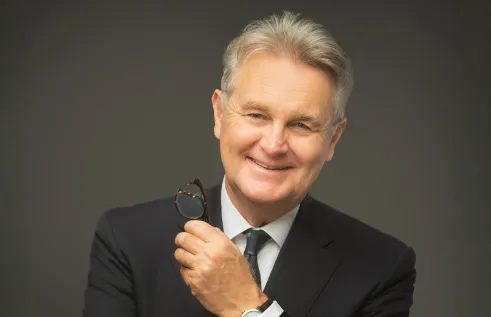
The Dr Bilawara Lee OAM (Aunty B), Faculty of Health Public Lecture
Bernard Salt explores how the aging baby boomer generation and a post-pandemic shift toward wellness will drive unprecedented demand and consumer expectations within Australia’s healthcare sector and "care economy" through 2036.
Read more about The Dr Bilawara Lee OAM (Aunty B), Faculty of Health Public Lecture
Freedom of Political Communication and Social Cohesion
The 15th Austin Asche Oration features The Hon. Justice Marcus Solomon SC, who will examine how debates surrounding free speech, rising prejudice, and declining social cohesion are reshaping Australia's legal and political landscapes.
Read more about Freedom of Political Communication and Social Cohesion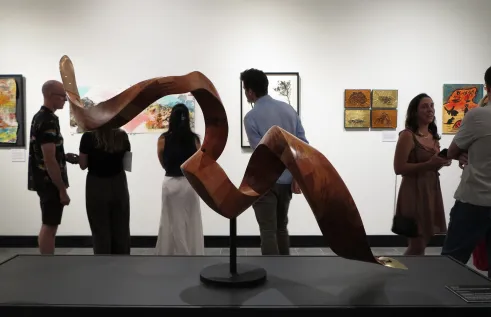
Curator Talk - Darwin Visual Arts
Led by DVA General Manager and artist Ioanna Thymianidis, this guided curatorial tour invites audiences to closely engage with selected artworks by exploring the materials, creative processes, and curatorial decisions behind them.
Read more about Curator Talk - Darwin Visual Arts


