RIEL Seminar Series – Can sensory deterrents reduce shark and ray bycatch in Australia's gillnet fisheries?
| Presenter | Emily Taljaard | |
|---|---|---|
| Date/Time |
to
|
|
| Contact person |
Research Institute for the Environment and Livelihoods
|
|
| Location | Yellow 1, Level 1, Room 33 at CDU Casuarina Campus, and online via Zoom. All times are ACST. | |
| Open to | All International audience, CDU staff and students, Public | |
Emily Taljaard is a PhD candidate within RIEL at Charles Darwin University. Her PhD focuses on assessing and reducing shark and ray bycatch in commercial fisheries.
Commercial gillnet fisheries often accidentally catch sharks and rays as bycatch, which can threaten vulnerable populations and increase regulatory pressure on fisheries.
During the seminar ‘Can sensory deterrents reduce shark and ray bycatch in Australia's gillnet fisheries?’ Emily will present findings from laboratory and field research investigating whether visual and electrosensory deterrents can reduce shark and ray interactions with gillnets. Emily will also discuss her next steps aimed at improving and testing these technologies in real-world fishing conditions.
Emily has broad research interests in sharks and rays and has worked on the biology of multiple species. She is part of the Northern Shark and Ray Research Group at RIEL.
YouTube video
Related Events
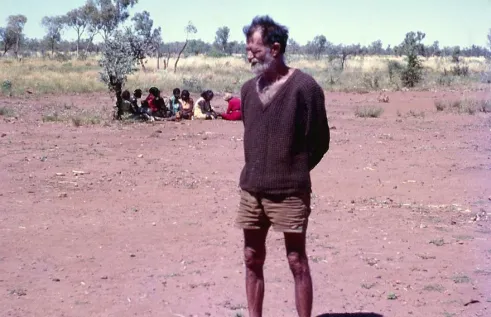
'They couldn't break me': Don McLeod, champion for Aboriginal justice in the Pilbara
Northern Institute of Charles Darwin University, in collaboration with Library and Archives Northern Territory, invites you to an insightful seminar. Join us as we explore the life of Don McLeod, an Australian Hero and champion for Aboriginal Australians' rights in the Pilbara.
Read more about 'They couldn't break me': Don McLeod, champion for Aboriginal justice in the Pilbara
RIEL Seminar Series – The hidden value in crocodile carcasses: Collagen as the NT’s next bioindustry
Dr. Padraig Strappe, a teaching-research academic at Charles Darwin University, is spearheading a project to purify high-value collagen from crocodile carcass waste for use in the food, cosmetic, and biomedical industries.
Read more about RIEL Seminar Series – The hidden value in crocodile carcasses: Collagen as the NT’s next bioindustry
What Do Psychology Students Think of Curriculum Decolonisation Initiatives?
Join Visiting Academic Gaurav Saxena, from the University of Bristol, UK, as he discusses how psychology students perceive decolonization activities.
Read more about What Do Psychology Students Think of Curriculum Decolonisation Initiatives?


