RIEL seminar series
Can sensory deterrents reduce shark and ray bycatch in Australia's gillnet fisheries?
| Presenter | Emily Taljaard | |
|---|---|---|
| Date/Time |
to
|
|
| Contact person |
Research Institute for the Environment and Livelihoods
|
|
| Location | Yellow 1, Level 1, Room 33 at CDU Casuarina Campus, and online via Zoom. All times are ACST. | |
| Open to | All International audience, CDU staff and students, Public | |
Emily Taljaard is a PhD candidate within RIEL at Charles Darwin University. Her PhD focuses on assessing and reducing shark and ray bycatch in commercial fisheries.
Commercial gillnet fisheries often accidentally catch sharks and rays as bycatch, which can threaten vulnerable populations and increase regulatory pressure on fisheries.
During the seminar ‘Can sensory deterrents reduce shark and ray bycatch in Australia's gillnet fisheries?’ Emily will present findings from laboratory and field research investigating whether visual and electrosensory deterrents can reduce shark and ray interactions with gillnets. Emily will also discuss her next steps aimed at improving and testing these technologies in real-world fishing conditions.
Emily has broad research interests in sharks and rays and has worked on the biology of multiple species. She is part of the Northern Shark and Ray Research Group at RIEL.
YouTube video
Related Events
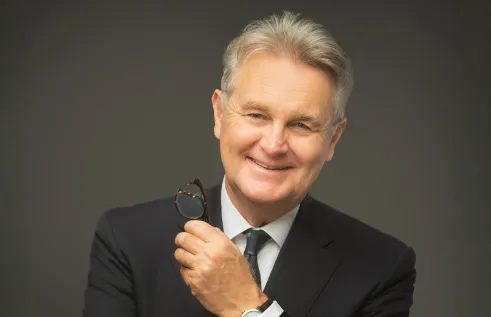
The Dr Bilawara Lee OAM (Aunty B), Faculty of Health Public Lecture
Bernard Salt explores how the aging baby boomer generation and a post-pandemic shift toward wellness will drive unprecedented demand and consumer expectations within Australia’s healthcare sector and "care economy" through 2036.
Read more about The Dr Bilawara Lee OAM (Aunty B), Faculty of Health Public Lecture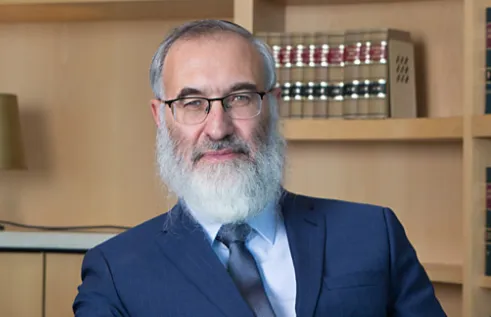
Freedom of Political Communication and Social Cohesion
The 15th Austin Asche Oration features The Hon. Justice Marcus Solomon SC, who will examine how debates surrounding free speech, rising prejudice, and declining social cohesion are reshaping Australia's legal and political landscapes.
Read more about Freedom of Political Communication and Social Cohesion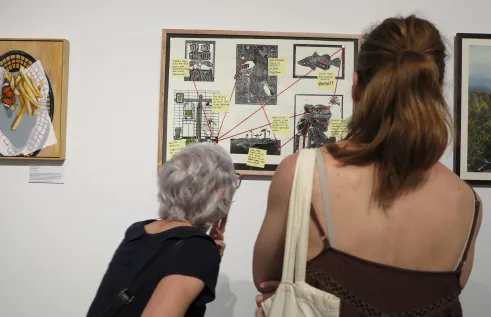
Artist Talk - Maurice O'Riordan
The 2026 NT Art Awards showcases 70 diverse Northern Territory artists and features an accompanying talk where the creators offer insights into their artistic processes, materials, and styles.
Read more about Artist Talk - Maurice O'Riordan


