RIEL seminar series
Species discovery and conservation priority in the Australian Monsoonal Tropics
| Presenter | Craig Moritz (ANU) |
|---|---|
| Date/Time |
to
|
| Contact person | E: riel.outreach@cdu.edu.au |
| Location |
CDU Casuarina campus Yellow 1.1.39 or online Zoom: https://charlesdarwinuni.zoom.us/j/81094810646 |
Over the past decade, extensive field collecting combined with genome-scale analyses have revealed extreme geographic structuring of variation and a substantial number of new vertebrate species, especially among lizards. Many have small geographic ranges which co-occur in novel hotspots of diversity. Many of the hotspots of endemism are located in existing protected areas and all have high priority for conservation. The results further emphasise the biodiversity significance of several Indigenous Protected Areas across the region.
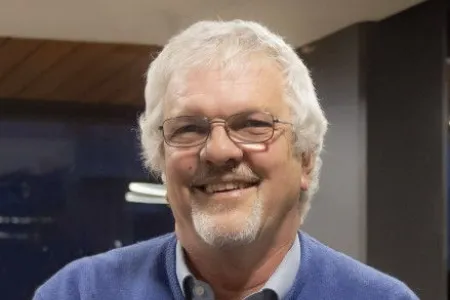
Craig Moritz is an evolutionary biologist at ANU with a passion for field work, genomics and discovery. His recent ARC Laureate funded much of the work described. His day job is Director of the Research School of Biology at ANU.
Related Events

The Dr Bilawara Lee OAM (Aunty B), Faculty of Health Public Lecture
Bernard Salt explores how the aging baby boomer generation and a post-pandemic shift toward wellness will drive unprecedented demand and consumer expectations within Australia’s healthcare sector and "care economy" through 2036.
Read more about The Dr Bilawara Lee OAM (Aunty B), Faculty of Health Public Lecture
Freedom of Political Communication and Social Cohesion
The 15th Austin Asche Oration features The Hon. Justice Marcus Solomon SC, who will examine how debates surrounding free speech, rising prejudice, and declining social cohesion are reshaping Australia's legal and political landscapes.
Read more about Freedom of Political Communication and Social Cohesion
NT Art Awards Guided Tour
The Midpul Art Gallery is hosting a guided tour of the NT Art Awards that invites viewers to explore the creative processes and material choices of 72 diverse artists to gain a deeper perspective on their work.
Read more about NT Art Awards Guided Tour


